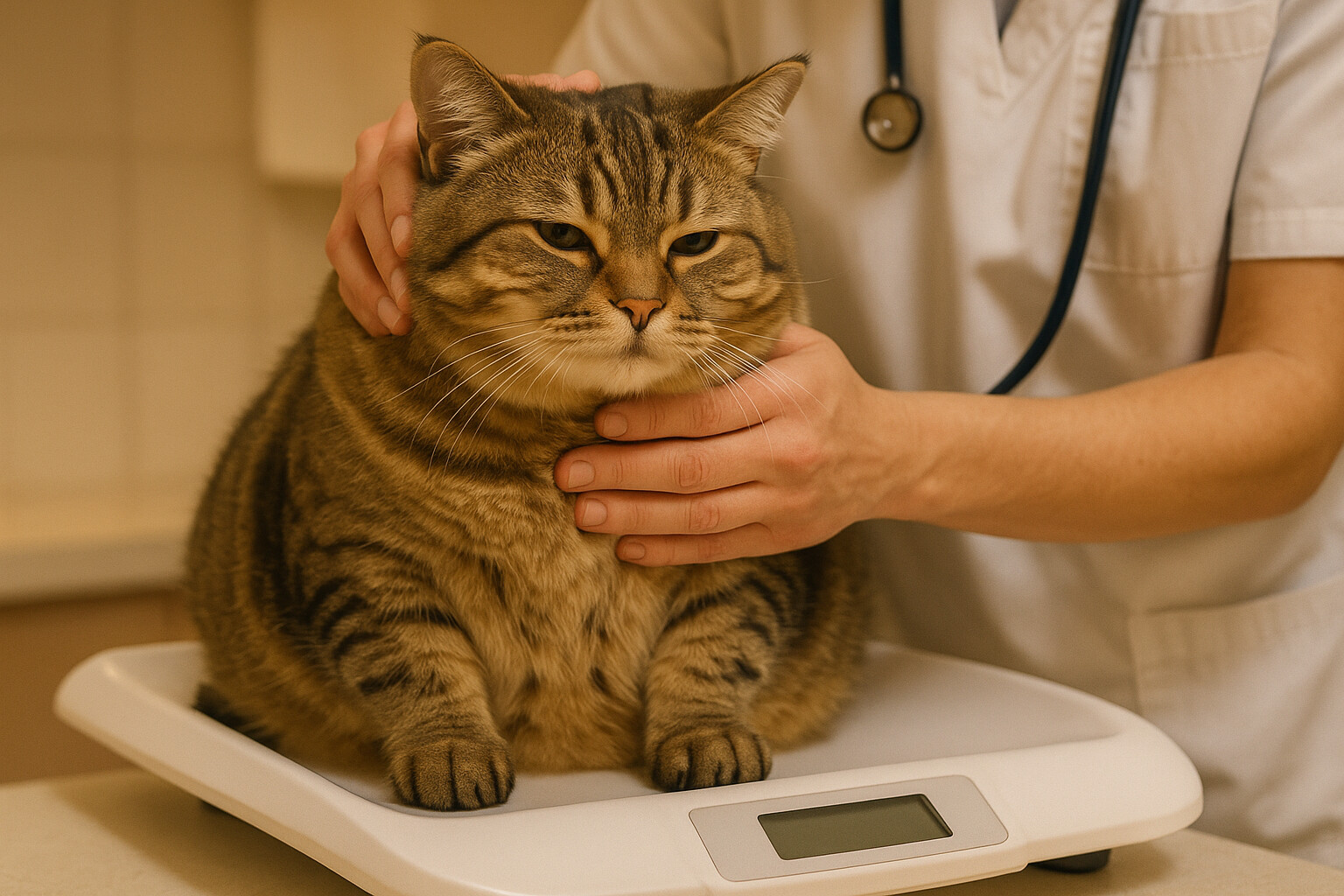
Cat obesity has quietly become one of the most common health problems in American households. According to the Association for Pet Obesity Prevention (APOP), an estimated 59% of cats in the US are classified as overweight or obese — and many owners don’t realize there’s a problem until a vet points it out at an annual checkup.
The good news: with some simple adjustments, most cats can reach and maintain a healthy weight. The first step is knowing what to look for.
Why Cat Weight Problems Are Easy to Miss
Cats are masters of looking comfortable at any size, and the fluffy ones can hide a lot underneath all that fur. A cat that looks “pleasantly round” to their owner might actually be carrying 20–30% more body weight than is healthy for their frame.
Unlike dogs, cats are also relatively sedentary by design — they sleep 12 to 16 hours a day — so a less active, heavier cat can seem completely normal. But that extra weight is quietly putting stress on their joints, heart, and organs every single day.
How to Tell If Your Cat Is Overweight
Your vet will assess your cat’s Body Condition Score (BCS), a 1–9 scale where 4–5 is ideal. But you can do a quick check at home with two simple tests.
The rib test: Place both hands on your cat’s sides, just behind the front legs. You should be able to feel individual ribs with gentle pressure — similar to how knuckles feel on a loosely closed fist. If you have to press firmly to feel anything, or can’t feel ribs at all, your cat is likely carrying excess weight.
The waist check: Looking down at your cat from above, they should have a visible waist — a slight narrowing between the ribs and hips. A cat with no visible waist, or one whose sides bulge outward, is probably overweight.
Other signs to watch for:
- A round, pendulous belly (sometimes called an “apron”)
- Difficulty grooming their back or base of tail
- Reluctance to jump onto furniture they previously used
- Labored breathing after mild exertion
- Reduced activity and increased sleeping
Health Risks of Feline Obesity
Extra weight in cats isn’t just a cosmetic issue. It’s a genuine health risk that can shorten your cat’s life and reduce their quality of life significantly. Overweight cats are at higher risk for:
- Type 2 diabetes — one of the most serious weight-related conditions in cats
- Osteoarthritis and joint pain — especially in older cats
- Urinary tract disease — a common and painful condition that’s more frequent in sedentary, overweight cats
- Fatty liver disease (hepatic lipidosis) — can develop rapidly if an overweight cat stops eating for any reason
- Reduced immune function and slower wound healing
According to the ASPCA, maintaining a healthy weight is one of the most impactful things you can do for your cat’s long-term health.
How to Help Your Cat Lose Weight Safely
The most important rule: do not put your cat on a crash diet. Rapid weight loss in cats can trigger hepatic lipidosis, a dangerous and potentially fatal liver condition. Always consult your vet before making significant changes to your cat’s diet.
Start with a vet visit. Rule out thyroid problems or other underlying conditions that can cause weight gain. Get a target weight and a realistic timeline — most vets recommend a loss of no more than 0.5–1% of body weight per week.
Measure portions precisely. Free-feeding (leaving food out all day) is one of the biggest contributors to cat obesity. Switch to scheduled meals with measured portions. Use a kitchen scale if you can — a cup-measure of kibble can vary dramatically in calories depending on the brand and how it’s packed.
Switch to a higher-protein, lower-carbohydrate food. Cats are obligate carnivores, meaning their bodies are built to process protein — not grains and fillers. Many budget kibbles are high in carbohydrates, which contribute to weight gain. Ask your vet about prescription weight-management diets or high-protein options like those often recommended by veterinary nutritionists at institutions like the Cornell Feline Health Center.
Increase water intake. Wet food has significantly fewer calories per ounce than dry kibble and keeps cats hydrated. Adding wet food to your cat’s diet — or even adding water to their dry food — can help them feel fuller on fewer calories.
Add enrichment and movement. You won’t “exercise” a cat the way you would a dog, but you can encourage activity through play. Interactive wand toys, puzzle feeders, and food-dispensing toys are especially effective because they engage your cat’s hunting instincts. Even two 10-minute play sessions a day can make a meaningful difference over time.
When to Check In With Your Vet
If your cat is more than 20% over their ideal body weight, or if you notice rapid weight changes in either direction, schedule a vet appointment. Unexplained weight loss is also a serious warning sign in cats — don’t assume it means your cat is “finally trimming down.”
Weight management in cats is a long game. With patience, consistent feeding habits, and a little extra playtime, most cats can get back to a healthy weight — and a happier, more active life.