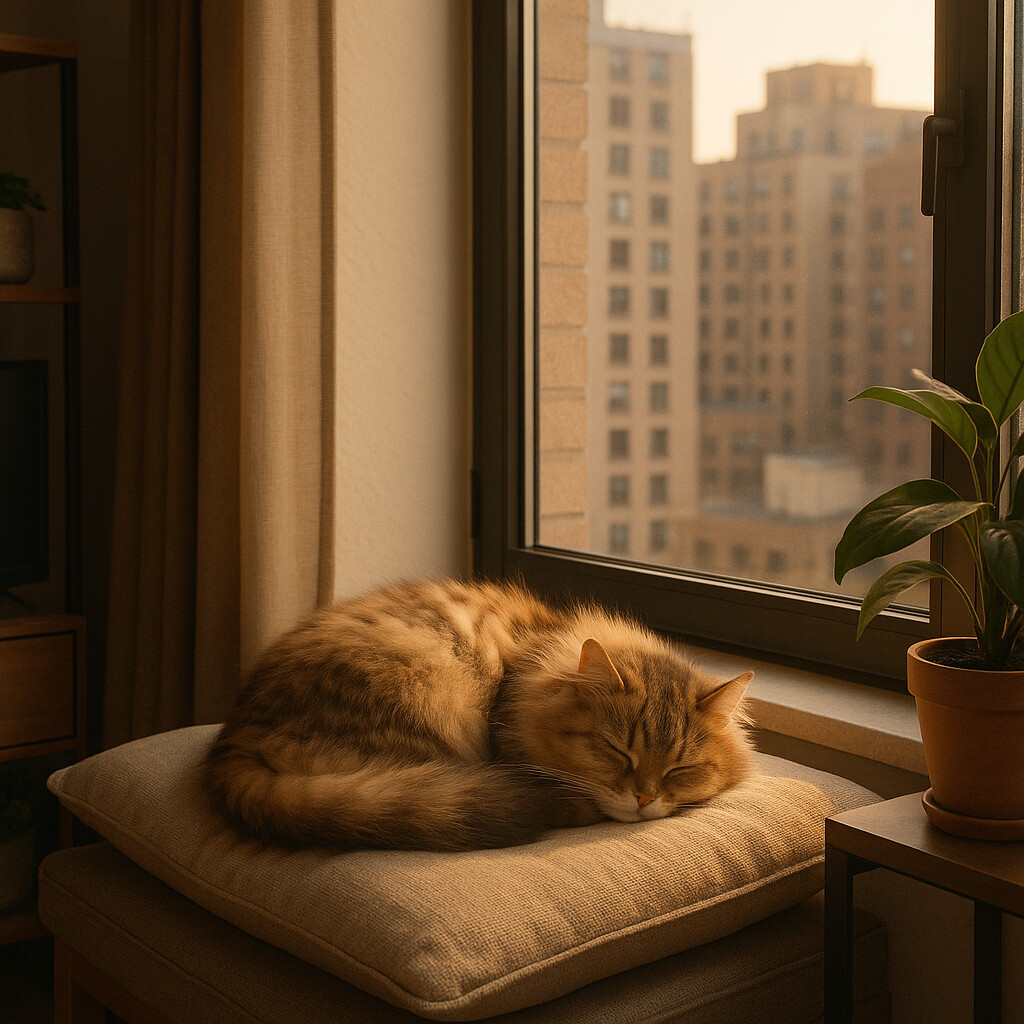
Apartment living doesn’t mean you can’t be a great cat parent — but it does mean breed choice matters more than most people realize. The wrong cat in a 600-square-foot studio is a recipe for 3 AM zoomies, destroyed blinds, and noise complaints from your neighbors. The right cat? A purring lap companion who genuinely thrives in smaller spaces.
I’ve dug into temperament research, activity levels, noise tendencies, and real owner experiences to put together this honest guide. No breed is “perfect” — every cat is an individual — but genetics load the dice, and some breeds are far better suited to apartment life than others.
What Actually Makes a Cat Good for Apartments?
Before we get to breeds, here’s what you should be screening for:
- Low-to-moderate energy level. High-energy breeds (Bengals, Abyssinians, Savannahs) need serious space and stimulation. In a small apartment without enough enrichment, they’ll create their own entertainment — usually at your furniture’s expense.
- Quiet voice. Some breeds are notorious talkers (looking at you, Siamese). In an apartment with thin walls, a cat who yowls at 2 AM is a problem. If you want to understand nighttime vocalization better, here’s a deep dive on why cats get loud at night.
- Adaptable temperament. Apartment cats deal with more noise, closer quarters, and less territory. Nervous or highly territorial breeds struggle.
- Moderate grooming needs. In a small space, cat hair everywhere is amplified. Low-shedding breeds keep your apartment (and your sanity) cleaner.
The 8 Best Cat Breeds for Apartment Living
1. Ragdoll
Energy: Low-moderate | Noise: Quiet | Weight: 10-20 lbs
Ragdolls are the ultimate apartment cats. They’re called “puppy cats” because they follow you room to room and go limp when you pick them up. They’re notably calm, rarely destructive, and genuinely content lounging on whatever surface you’re near. The tradeoff: they’re big cats with long fur that needs brushing 2-3 times per week, and they don’t do well left alone for long stretches (8+ hours daily will stress them).
2. British Shorthair
Energy: Low | Noise: Very quiet | Weight: 9-17 lbs
The most “leave me alone, I’m fine” cat on this list — in the best way. British Shorthairs are independent without being aloof, quiet almost to the point of silence, and perfectly happy in small spaces. They’re also not climbers, so your shelves are safe. Downside: they’re prone to obesity (especially in small apartments with less room to roam), so measured feeding is critical. Our overweight cat guide has the specifics.
3. Scottish Fold
Energy: Low-moderate | Noise: Quiet | Weight: 6-13 lbs
Those folded ears aren’t just adorable — Scottish Folds are genuinely one of the most adaptable breeds. They adjust to new environments quickly, handle apartment noise well, and tend to bond strongly with one person. Important health note: the gene that causes the ear fold also affects cartilage throughout their body. Insist on a breeder who screens for osteochondrodysplasia. Budget $200-500/year more in potential vet costs compared to healthier breeds.
4. Russian Blue
Energy: Moderate | Noise: Very quiet | Weight: 7-12 lbs
Russian Blues are the introverts of the cat world. Shy with strangers, deeply bonded with their person, and almost eerily quiet. They do well in apartments because they’re clean, low-shedding (despite the dense double coat), and self-entertaining. The catch: they’re sensitive to change. Moving apartments, new roommates, or schedule disruptions stress them more than other breeds.
5. Persian
Energy: Very low | Noise: Quiet | Weight: 7-12 lbs
Persians basically are furniture. They’ll find one sunny spot and occupy it for 6 hours straight. Perfect energy level for apartments. The reality check: grooming is a DAILY commitment (15-20 minutes of brushing minimum), they’re prone to respiratory issues due to flat faces (brachycephalic syndrome), and vet bills run higher than average. Beautiful but high-maintenance.
6. Exotic Shorthair
Energy: Low | Noise: Quiet | Weight: 7-14 lbs
Think “Persian without the grooming nightmare.” Same calm, laidback personality, but with a short dense coat that only needs weekly brushing. They still have the flat face and associated breathing concerns, but grooming time drops from 15 minutes daily to 5 minutes a couple times a week. One of the most underrated apartment breeds.
7. Burmese
Energy: Moderate | Noise: Moderate (but soft-voiced) | Weight: 8-12 lbs
Burmese are more active than others on this list, but they direct that energy into play sessions rather than destructive behavior. They’re people-oriented, entertaining, and their voice — while used often — is soft and raspy rather than loud. Great for apartment dwellers who want an interactive cat, not just a decorative one. Not ideal if you work long hours away from home.
8. American Shorthair
Energy: Moderate | Noise: Quiet | Weight: 8-15 lbs
The reliable all-rounder. American Shorthairs adapt to basically anything — apartments, houses, kids, dogs, solo owners, couples. They’re healthy (fewer breed-specific issues than most), easy to groom, and have even temperaments. Not as “exciting” as some breeds, but honestly? In an apartment, predictable and easygoing is exactly what you want.
Breeds to Think Twice About in Apartments
Not trying to gatekeep — any cat CAN live in an apartment with enough enrichment — but these breeds make it significantly harder:
- Bengal: Needs the exercise equivalent of a small dog. Without 45+ minutes of daily active play, they’ll destroy things. They also have a loud, distinctive yowl.
- Siamese: One of the loudest cat breeds. Genuinely sounds like a crying baby at times. Your neighbors will hear them through walls.
- Abyssinian: Built to climb and explore. A small apartment without cat shelves and vertical space will frustrate them fast.
- Savannah (F1-F3): These are basically small wildcats. They need serious space and aren’t suited to apartment life at all.
Making Any Apartment Cat-Friendly
Even the calmest breed needs a properly set up space. In a small apartment:
- Go vertical. Wall-mounted cat shelves, tall cat trees, and window perches effectively double your cat’s usable territory without taking floor space. Best interactive cat toys also make a huge difference.
- Window entertainment. A secure window perch with a bird feeder outside is worth more to your cat than the fanciest toy. It’s essentially free enrichment. Cats who chirp at birds can spend hours watching.
- Scent enrichment. Rotate catnip, silver vine, and puzzle feeders weekly. In a small space, mental stimulation compensates for physical space.
- Litter box placement. In a studio or one-bedroom, enclosed self-cleaning litter boxes (our honest comparison here) are almost a necessity for odor management.
Adopt, Don’t Shop (When Possible)
Shelters are full of calm, apartment-friendly adult cats whose personalities are already established — no guessing required. If you’re a first-time owner, our first 30 days with a new cat guide covers everything from litter box setup to bonding.
Mixed breeds often have fewer health problems than purebreds and are every bit as loving. The “best breed” is ultimately the individual cat whose energy and temperament match YOUR lifestyle.
Questions about apartment cats or need help figuring out the right fit? Drop a comment below.
— CatLady6 