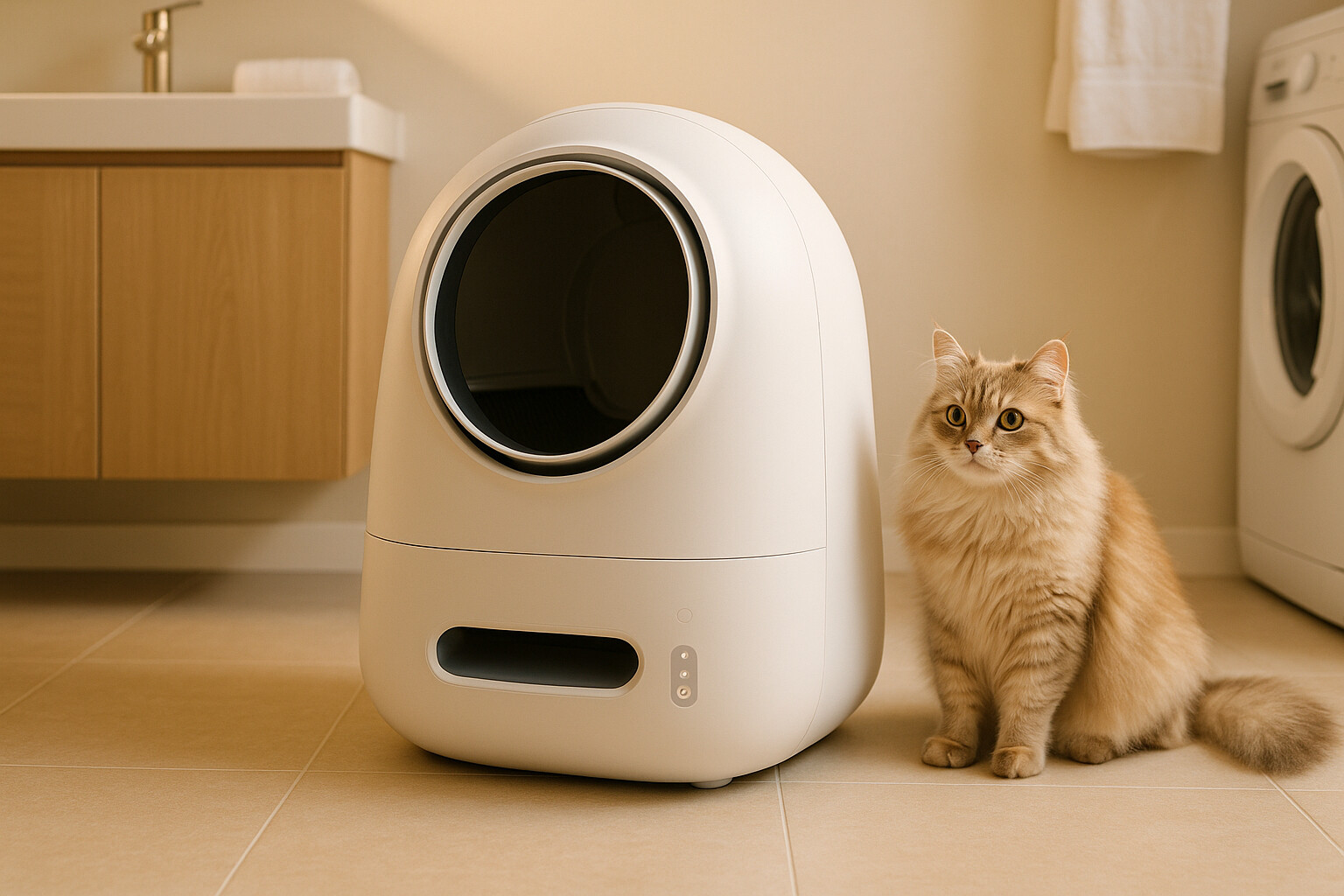
If you’ve ever stumbled into the bathroom at 6 AM only to be ambushed by a powerful odor from the litter box, you’ve probably considered upgrading to an automatic model. The good news: self-cleaning litter boxes have come a long way in the past few years. The not-so-good news: with dozens of options on the market, choosing the right one takes more than just picking the priciest model on the shelf.
Here’s a practical breakdown of the best automatic cat litter boxes available in 2026, what to look for, and whether they’re actually worth the investment.
What Is an Automatic Cat Litter Box?
Automatic or self-cleaning litter boxes use a mechanical raking system, rotating globe, or sensor-triggered mechanism to separate clumps from clean litter after your cat uses it. Waste gets deposited into a sealed drawer or bag, cutting down on manual scooping and keeping odors in check. Most modern models are app-connected and can track your cat’s usage habits — genuinely useful data for catching health issues early.
Top Picks for 2026
Litter-Robot 4
The Litter-Robot 4 remains the gold standard. It’s expensive (around $699), but it earns its price. The globe rotates after each use, depositing clumps into a carbon-filtered waste drawer. The companion app tracks your cat’s weight and bathroom frequency — especially useful if you have a cat prone to urinary or kidney issues. It works with most clumping litters and handles up to four cats. Setup takes about 20 minutes, and most cats adapt within a week or two.
Pros: Reliable, excellent odor control, health tracking, multi-cat capable
Cons: Expensive, large footprint, requires clumping litter
PetSafe ScoopFree Crystal Pro
A more affordable option at around $169–$199, the ScoopFree uses crystal litter — a key distinction. Crystal litter absorbs moisture and dehydrates solid waste, which dramatically reduces odor. The raking mechanism moves waste into a covered compartment, and the disposable tray means you can go up to 30 days between full cleanings with a single cat.
The tradeoff? You’re locked into crystal litter, and some cats don’t like the texture. It also lacks app connectivity.
Pros: Low price, excellent odor control, minimal maintenance
Cons: Proprietary crystal litter required, no app integration
Petree Self-Cleaning Litter Box
The Petree model has become popular for multi-cat homes thanks to its deeper basin and quieter motor. At around $249, it hits a sweet spot between functionality and price. It supports standard clumping litter, connects to a companion app for usage logging, and includes a safety sensor that stops the raking cycle if a cat re-enters. Works well for cats up to 15 lbs.
Pros: Quiet, app-connected, good for two-cat households
Cons: Basin can fill faster than expected with messier litter types
Budget Pick: PETKIT PURA MAX
For households watching their spending, the PETKIT PURA MAX (around $199) offers globe-style self-cleaning, app connectivity, and deodorizing features at a mid-range price. It’s become a solid pick for single-cat homes where the Litter-Robot’s price tag is hard to justify.
What to Look For When Buying
Litter compatibility. Most automatic boxes work with clumping clay litter. A few require proprietary crystal or silica litter. Know your cat’s preference before committing.
Size and weight capacity. Some units have weight limits. If you have a large Maine Coon or Norwegian Forest Cat — often 15–20 lbs — make sure the globe or basin is roomy enough.
Noise level. Cats are sensitive to sudden sounds. Read reviews specifically about motor noise — a loud machine often means slower or failed adoption by skittish cats.
Waste drawer capacity. If you have two or more cats, you’ll want a deeper waste drawer that doesn’t need emptying every other day.
App connectivity. If your cat has a history of urinary tract infections, kidney disease, or is a senior (10+ years), usage tracking provides data your vet can actually use. Changes in frequency and weight trends can signal problems before symptoms appear.
Are They Worth It?
For most single-cat households, a mid-range option like the PetSafe ScoopFree or Petree does the job at a reasonable cost. If you have two or more cats — or a cat with health conditions that benefit from monitoring — the Litter-Robot 4’s tracking features start to justify the higher price.
The ASPCA notes that litter box aversion is one of the most common behavioral reasons cats are surrendered to shelters. A consistently clean box reduces this risk significantly. If an automatic model means your box gets cleaned more reliably in a busy household, that’s a genuine win for your cat’s wellbeing — and your mornings.
Final Thoughts
The best automatic litter box is the one your cat will actually use. Start by understanding your cat’s litter preferences, measuring your available floor space, and setting a realistic budget. Most reputable brands offer return windows, so you can test before fully committing. Your cat’s nose — and your 6 AM self — will thank you.