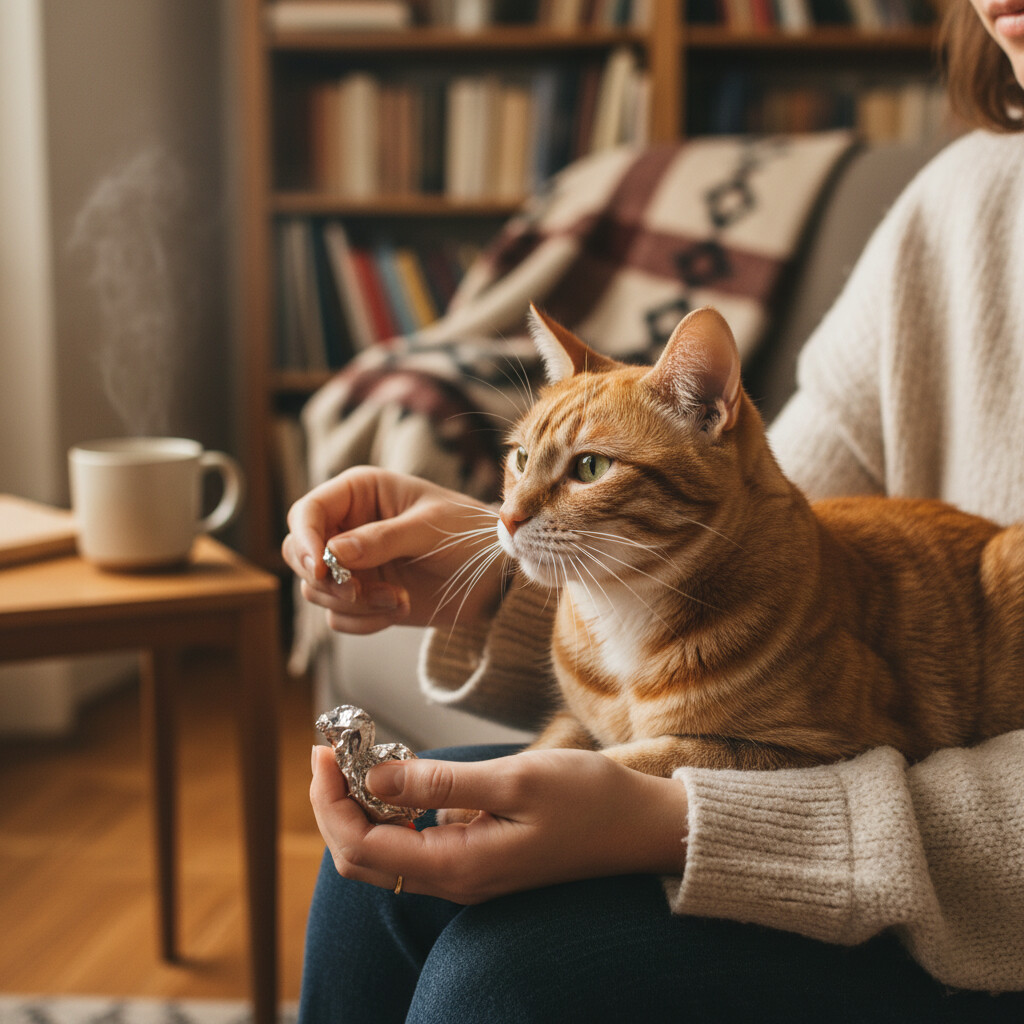
Your cat is purring, leaning into your hand — then out of nowhere, they whip around and sink their teeth in. This is called petting-induced aggression, and it’s one of the most common feline behaviour mysteries. The short answer: your cat reached their tolerance limit, signalled it, and you missed the signal.
What Is Petting-Induced Aggression?
Cats have a threshold for tactile stimulation. Below it, petting feels good. Above it, it becomes irritating or even painful — and they respond the only way they know how. Researchers, including behaviourist Dr. John Wright, have documented this pattern extensively. It’s not spite or mood swings; it’s a nervous system response.
The threshold varies by individual cat. Some cats love being groomed for 20 minutes. Others hit their limit after 30 seconds. Rescue cats or cats with uncertain early histories often have lower thresholds, though breed and individual personality play big roles too.
The Warning Signs Your Cat Was Giving You
Cats rarely bite without warning. The warning signs are just subtle enough to miss if you’re not watching:
- Tail swishing or thumping — not a happy wag like a dog. A flicking tail is a “I’m getting annoyed” flag.
- Skin rippling — the fur and skin along the back twitches or rolls. This is almost always a pre-bite signal.
- Ears rotating back or flattening — going from forward/neutral to sideways or flat means rising agitation.
- Turning their head toward your hand — watching your hand intently while being petted is a countdown.
- Tensing up — a relaxed cat is loose-limbed. A cat approaching threshold goes still.
- Pupils dilating — harder to spot but worth knowing.
If you see any of these, stop petting immediately. Don’t pull away suddenly (that can trigger a grab reflex) — just go still, let them settle, and let them choose whether to stay or move off.
Why Some Body Spots Trigger It More
The belly is the most common bite trigger, and there’s a good reason for it. Cats expose their belly as a sign of trust, but that doesn’t mean they’re inviting you to pet it. In the wild, the abdomen is a vulnerable area — exposing it is a social gesture, not an open invitation. Many cats find direct belly contact overstimulating or threatening. The base of the tail is another hotspot — nerve-dense and often hypersensitive.
Generally the safest petting zones are the head, cheeks, under the chin, and the base of the ears. These are areas cats rub on objects themselves, which maps well to social grooming. Avoid the belly and base of tail unless you know your specific cat welcomes it.
How to Reduce Petting-Induced Biting
Learn your cat’s session length. Time how long petting sessions go before your cat shows any of the signals above. Start ending sessions before that point. If your cat bites after 3 minutes, aim to stop at 2. You’re training yourself as much as the cat.
Let them initiate and control exits. Cats who feel they can walk away are less likely to feel trapped and bite. Don’t restrain them while petting, even gently.
Use slow blinks and calm body language. Aggressive eye contact or hovering over a cat raises their baseline stress. Approach from the side, make yourself smaller, look away occasionally.
Don’t punish the bite. Shouting or flicking a cat’s nose doesn’t teach them anything useful — it just adds fear to the interaction and often makes things worse. Simply stop the session.
Counterconditioning over time. Associate your hand with good things without requiring physical contact. Let the cat approach your still, extended hand. Treat when they do. Gradually, for cats with very low thresholds, this can build tolerance.
If the Biting Is New or Getting Worse
A cat that has never bitten and suddenly starts biting during normal handling may be in pain. Arthritis, dental disease, skin conditions, and injuries can all make touch unpleasant. If the behaviour has changed noticeably — especially in an older cat — a vet check is the right first step.
When to See a Vet
See your vet if:
- The biting behaviour is sudden and new, especially in a cat over 7 years old
- Your cat flinches or vocalises when touched in specific areas (possible pain)
- The aggression is escalating despite changes to your approach
- Bites are breaking skin regularly and the cat shows other behaviour changes (appetite, litter box, hiding)
A vet can rule out pain as the cause, and if behaviour is the root issue, they can refer you to a certified applied animal behaviourist.
The good news: petting-induced aggression is manageable once you understand what’s happening. Your cat isn’t broken or mean — they’re communicating. The work is learning to hear it before it gets to teeth.
For more on reading what your cat is telling you, see our Cat Body Language Guide and 10 Signs Your Cat Is Stressed — both go deep on the signals most owners miss.