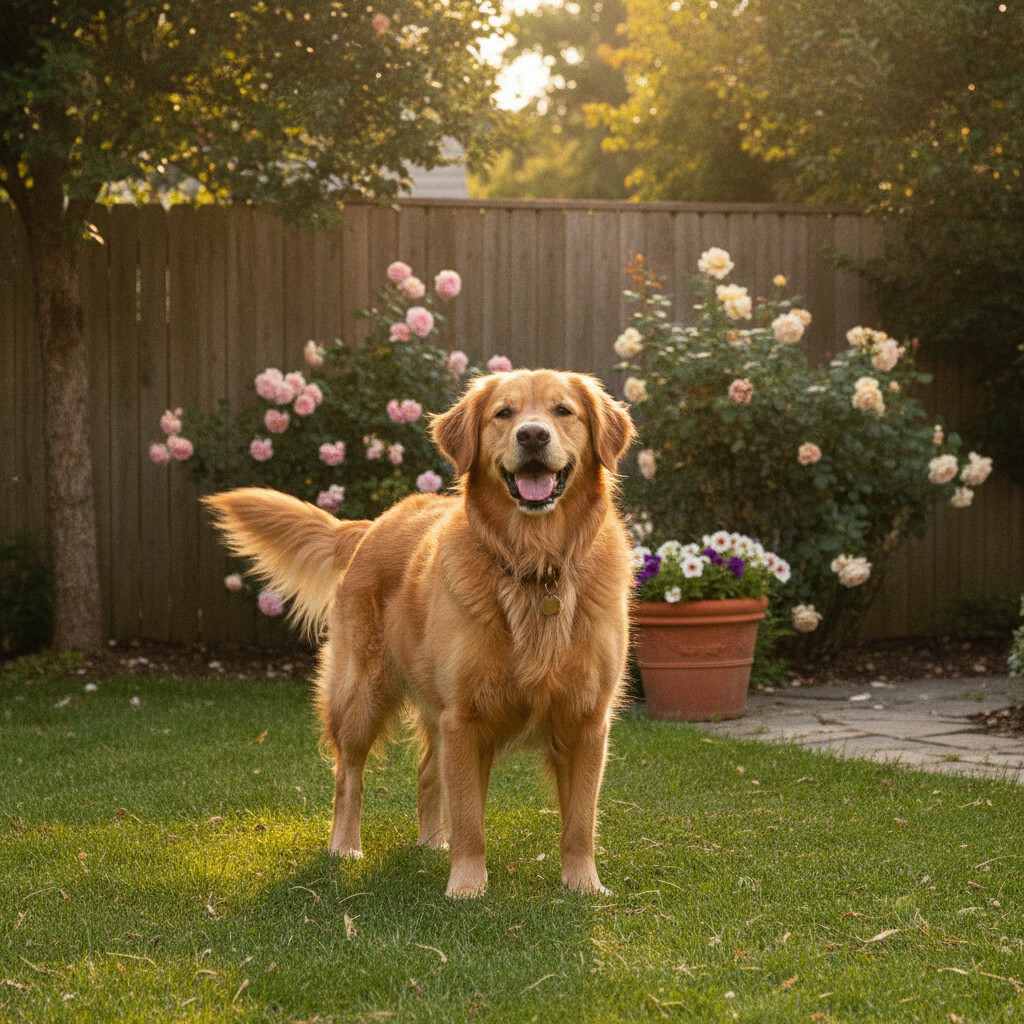
Most dogs carrying extra weight look normal to their owners — that’s the problem. Nearly 60% of dogs in the US are overweight or obese according to veterinary body-condition surveys, and most of their owners don’t know it. The good news: you can check this yourself in about two minutes, without a scale, and the fix is usually more straightforward than people expect.
How to Tell If Your Dog Is Overweight
Forget the bathroom scale — weight alone doesn’t tell you much, since a healthy weight varies enormously between a Chihuahua and a Labrador. What vets actually use is the body condition score (BCS), a hands-on check most veterinary nutritionists and the World Small Animal Veterinary Association (WSAVA) recommend doing at home between vet visits.
Run through this three-part check:
- Ribs: Place your hands flat on your dog’s sides. You should be able to feel each rib with light pressure, like feeling the back of your hand — not see them, but feel them without pressing hard. If you have to dig, there’s a fat layer over them.
- Waist: Look down at your dog from above. There should be a visible narrowing behind the ribs, like an hourglass. A straight line from ribs to hips means no waist.
- Abdominal tuck: Look at your dog from the side. The belly should tuck up behind the ribcage, not hang level with the chest.
If your dog fails two or three of these, they’re likely carrying excess weight. Fail all three and it’s worth a vet conversation regardless of what the scale says.
Why Dogs Gain Weight (It’s Rarely Just “Eating Too Much”)
The mechanics are simple — calories in exceed calories out — but the reasons it happens are usually more specific than “greedy dog.”
Measuring by eye instead of by weight. A “scoop” of kibble varies wildly depending on the scoop and how full you fill it. Studies on pet food dosing have found owners routinely overestimate portions by 20–30% when eyeballing it.
Treats that aren’t counted as food. A single medium dog biscuit can run 30–50 calories. For a 20-pound dog with a daily requirement of around 400 calories, that’s a meaningful chunk before dinner even happens.
Age-related slowdown. Metabolic rate drops as dogs age, particularly after they’re spayed or neutered — the same food that maintained weight at two years old can add weight at seven, even with no change in appetite or activity.
Reduced activity that outpaces reduced feeding. An injury, arthritis, or just a slower daily walk routine cuts calorie burn, but the feeding bowl often stays exactly the same.
Multi-pet households. Dogs finishing a housemate’s leftover food, or free-fed alongside a cat, often eat considerably more than their own bowl suggests.
None of these are a moral failing — they’re just easy to miss because weight gain in dogs is gradual and dogs can’t tell you they’re hungrier or slower than they used to be.
How to Help Your Dog Lose Weight Safely
The instinct is to just feed less of the same food, and that can work, but it’s not the most reliable approach — cutting portions without adjusting for nutrient density risks a dog that’s losing weight but also missing key nutrients. A few things actually move the needle:
Get an actual calorie target. Your vet can calculate a target based on your dog’s ideal weight, not current weight — this is different from “just eat 10% less.”
Weigh food, don’t scoop it. A kitchen scale removes the guesswork entirely. This alone accounts for a surprising amount of accidental overfeeding — see our guide on reading a dog food label for how to translate calorie content into actual portions.
Count treats as calories, not extras. Swap some treats for a piece of the dog’s actual kibble ration, or low-calorie options like plain green beans or carrot slices (in moderation, and cleared with your vet first).
Increase activity gradually, don’t overhaul it overnight. A dog that’s been sedentary for years needs a slow ramp-up, not a sudden five-mile hike — joints and cardiovascular fitness need to catch up. For a baseline on how much movement your dog actually needs day to day, see our guide on how much exercise your dog needs.
Weigh in every 2–4 weeks, not daily. Daily fluctuations from water and food intake are noise. A slow, steady loss of about 1–2% of body weight per week is the range most veterinary weight-management programs target — faster than that can be unsafe.
When to See a Vet
Book a vet visit before starting any weight-loss plan if your dog is significantly overweight, has any existing health condition (especially joint problems, diabetes, or heart disease), or if the weight gain was sudden rather than gradual. Sudden or unexplained weight gain — especially with lethargy, increased thirst, or a swollen abdomen — can signal a medical cause (like hypothyroidism or fluid retention) that diet and exercise alone won’t fix. A vet can also confirm a genuinely healthy target weight for your dog’s breed and frame, rather than guessing from a chart.
The Takeaway
Run the rib-waist-tuck check today — it takes less time than reading this article. If your dog fails, the fix isn’t a crash diet; it’s weighing food instead of eyeballing it, counting treats as real calories, and building activity back up gradually. Small, consistent changes beat any drastic overhaul, and they’re a lot easier for both of you to stick with.