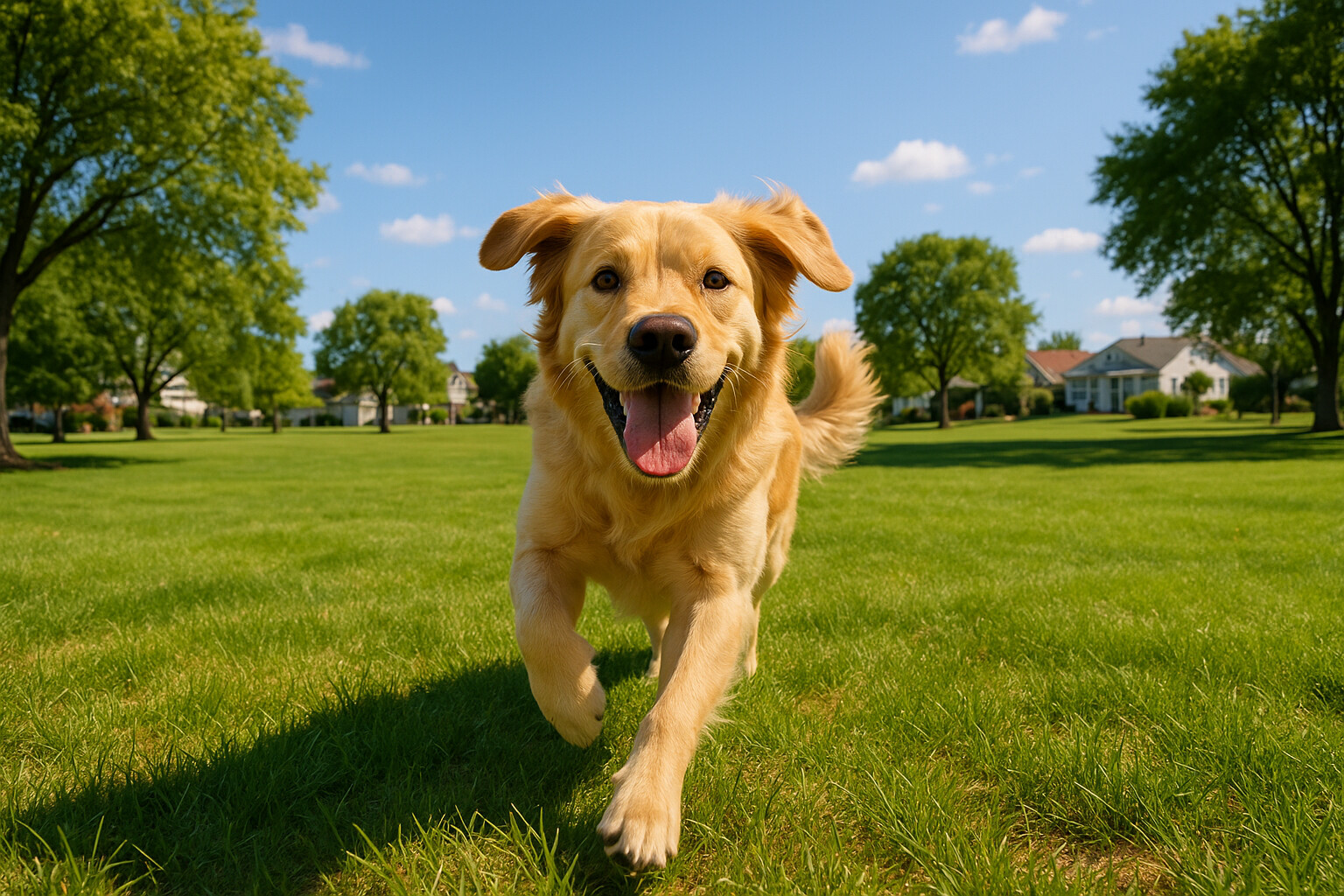
If you’ve ever wondered whether your daily walk with Biscuit is actually enough — or if your Border Collie is giving you the side-eye because you skipped the park again — you’re asking the right question. Exercise needs vary dramatically between dogs, and getting it right matters for their health, behavior, and happiness.
Why Exercise Matters More Than You Think
Dogs that don’t get enough physical activity often develop what veterinarians call “problem behaviors” — excessive barking, destructive chewing, hyperactivity indoors, and even anxiety. According to the American Kennel Club (AKC), regular exercise isn’t just about burning calories; it supports cardiovascular health, maintains a healthy weight, stimulates the mind, and strengthens the bond between you and your dog.
The American Veterinary Medical Association (AVMA) estimates that over 50% of dogs in the U.S. are overweight or obese — and insufficient exercise is one of the leading contributors. An overweight dog faces higher risks of diabetes, joint disease, heart problems, and a shorter lifespan.
General Guidelines by Energy Level
There’s no universal answer to how much exercise a dog needs — breed, age, size, and health all factor in. But here’s a practical framework:
| Energy Level | Typical Breeds | Daily Exercise |
|---|---|---|
| High Energy | Border Collie, Australian Shepherd, Vizsla, Jack Russell Terrier | 1.5–2+ hours |
| Moderate Energy | Labrador Retriever, Beagle, Cocker Spaniel, Boxer | 45–90 minutes |
| Low Energy | Basset Hound, Bulldog, Shih Tzu, Great Dane | 30–45 minutes |
Note that even “low energy” breeds still need daily movement — they just don’t need it as intensely or for as long.
High-Energy Breeds: Built to Work
Herding breeds like Border Collies and Australian Shepherds were developed to work 8–10 hours a day on farms. Without meaningful physical and mental stimulation, they’ll find their own outlets — usually ones you won’t enjoy. These dogs often do best with structured activities like agility, flyball, hiking, or long off-leash runs in addition to their daily walks.
Working breeds like Siberian Huskies, Alaskan Malamutes, and Weimaraners also fall into this category. A 20-minute stroll around the block won’t cut it for these guys.
Age Matters: Puppies, Adults, and Seniors
Puppies might seem like endless energy machines, but their bones and joints are still developing. The general rule of thumb recommended by many U.S. vets is the “5-minute rule”: 5 minutes of formal exercise per month of age, up to twice a day. So a 4-month-old puppy = 20 minutes of leashed walking, twice a day. Too much high-impact exercise can damage growth plates.
Adult dogs (1–7 years, depending on breed) are in their physical prime. This is when most breeds can handle the full exercise recommendations for their energy level.
Senior dogs still need exercise — it keeps joints mobile and maintains muscle mass — but intensity and duration should scale back. Arthritis is extremely common in older dogs; if your dog seems stiff after walks or hesitates to jump, talk to your vet. Shorter, more frequent walks are often better than one long one.
What Counts as Exercise?
Not all exercise is equal, and variety keeps things interesting for your dog:
- Leash walks — the daily baseline, great for mental stimulation too (sniffing IS exercise for a dog’s brain)
- Off-leash play — fetch, frisbee, running at a dog park
- Swimming — excellent low-impact option, especially for senior dogs or those with joint issues; many dogs love it
- Hiking — popular in the U.S., just watch out for heat, ticks, and rocky terrain
- Dog sports — agility, dock diving, nose work, treibball
Mental exercise counts too. A 10-minute training session or a puzzle feeder can take the edge off a restless dog more than you’d expect.
Signs Your Dog Isn’t Getting Enough Exercise
Watch for these red flags:
- Destructive behavior (chewing furniture, digging)
- Excessive barking or whining
- Hyperactivity or inability to settle indoors
- Weight gain
- Attention-seeking behavior that feels desperate
And on the flip side, signs of over-exercise include limping, excessive panting, reluctance to continue walking, or soreness the next day — especially in puppies or senior dogs.
Heat and Weather Considerations
In the U.S., summer heat is a real danger — especially in southern states. Dogs can’t sweat like humans do; they regulate temperature through panting, which has limits. Pavement can reach 150°F on a hot day, burning paw pads badly. The 7-second rule: hold the back of your hand on the pavement for 7 seconds; if it’s too hot for your hand, it’s too hot for your dog’s paws.
Walk during cooler hours — early morning or evening — and always bring water. Flat-faced (brachycephalic) breeds like Bulldogs and Pugs are especially heat-sensitive and may need extra accommodations.
Talk to Your Vet
If your dog has any health conditions — heart disease, hip dysplasia, obesity, or recent surgery — always check with your veterinarian before starting or changing an exercise routine. Your vet can recommend what’s safe and appropriate, and may refer you to a veterinary rehabilitation specialist if needed.
The bottom line: most dogs need more exercise than they’re getting. Even a second daily walk or a 15-minute backyard play session can make a significant difference in your dog’s mood, behavior, and long-term health.