Short version: most people end up happiest going through a shelter or rescue, because you get an adult cat with a known temperament and lower upfront cost — but there are legitimate reasons to go the breeder route, and legitimate reasons a specific rescue cat might not be the right fit. The source matters less than what you actually check before you commit.
Shelters and Municipal Rescues: What You’re Actually Signing Up For
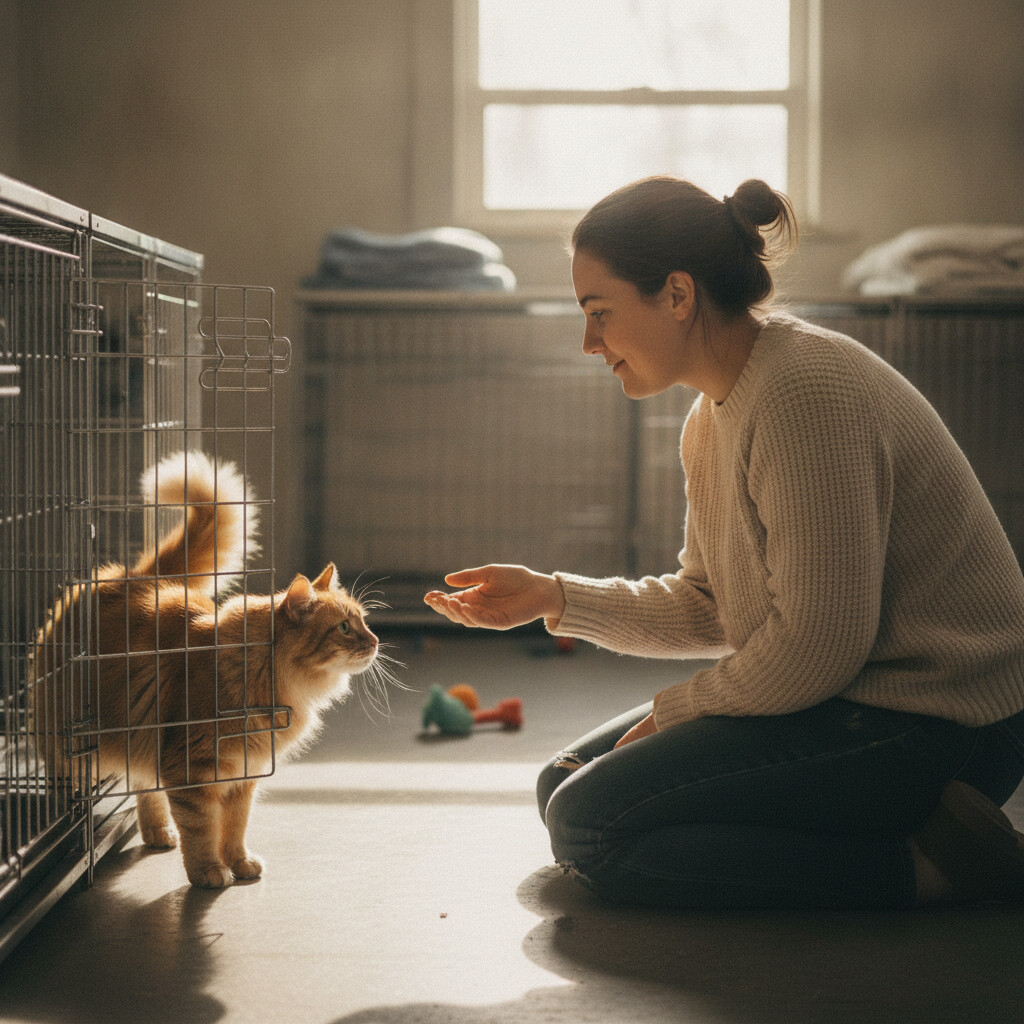
Municipal and nonprofit shelters (think your county animal services or a local humane society) are usually the cheapest and fastest way to bring home a cat, with adoption fees that typically cover spay/neuter, initial vaccines, and a microchip — often for less than the cost of those procedures done separately at a vet. According to the ASPCA, roughly 3.2 million cats enter U.S. shelters annually, and shelter staff generally have direct, day-to-day observation of each cat’s behavior around people, food, and other animals, which they’ll share if you ask specific questions.
The tradeoff is variability. A shelter cat’s history before intake is often unknown, medical records may be incomplete, and a cat that seems relaxed in a quiet meeting room can behave differently once home. This isn’t a reason to avoid shelters — it’s a reason to ask pointed questions: How long has this cat been here? Do you know why they were surrendered? Has anyone fostered them and can I talk to that person? Shelters that can’t or won’t answer these are worth being more cautious with, but most reputable ones actively want the placement to work and will be candid about a cat’s quirks.
Breed-Specific and Foster-Based Rescues: A Middle Ground
Foster-based rescues — often breed-specific or run by volunteers who keep cats in home environments rather than a shelter facility — tend to offer the most reliable behavioral information of any adoption route, because the foster has usually lived with the cat for weeks or months. You’ll typically hear specifics: how the cat does around dogs, kids, other cats, whether they’re a lap cat or an observer, litter box habits, food preferences. This detail is genuinely useful for matching a cat to your household, and it’s part of why Best Friends Animal Society and similar national organizations have pushed foster-based models over traditional shelter housing where possible — foster cats show measurably lower stress behaviors than the same cats would in a cage environment.
The tradeoff is availability and cost. Foster-based rescues often have longer application processes (home visits, reference checks, sometimes a waiting list for popular cats or specific breeds) and adoption fees can run higher than a municipal shelter, though usually still well below breeder prices.
Reputable Breeders: When It Makes Sense
Buying from a breeder makes the most sense when you want a specific breed for a documented reason — a breed with a well-characterized temperament for your household, or in some cases a breed selected for lower allergen production (though no cat is truly hypoallergenic; some, like the Siberian, tend to produce less of the Fel d 1 protein most people react to, per studies summarized by the AAFP). A responsible breeder will register with a recognized body (TICA or CFA in the U.S.), health-test parent cats for known breed-specific conditions (like HCM screening in Maine Coons and Ragdolls), let you see the kittens with their mother, and provide health records — not just an invoice.
Red flags are consistent across breeds: no willingness to let you visit in person, no health testing documentation, kittens available younger than 12 weeks, multiple litters constantly available (a sign of overbreeding), or refusal to answer detailed questions about the cattery’s health protocols. If you’re pursuing this route, our guide on choosing a reputable cat breeder goes through the vetting process in more detail.
What Matters More Than the Source
Regardless of where a cat comes from, a few things matter more than the label on the intake paperwork:
- Get whatever health records exist, even partial ones, and plan a vet visit within the first week regardless of what you’re told about prior vet care.
- Ask about temperament in specific situations, not just “is he friendly” — how does the cat react to loud noises, being picked up, other animals, and being left alone. Vague reassurance (“he’s great with everyone”) is less useful than a specific anecdote.
- Match activity level and independence to your actual life, not the cat you wish you had time for. A rescue volunteer or breeder who’s spent real time with a cat can usually tell you honestly whether that cat wants a quiet single-cat home or would do fine in a busier household — ask directly.
- Factor in the adjustment period either way. A shelter cat, a foster cat, and a breeder kitten all need time to settle into a new home; a known temperament reduces surprises but doesn’t eliminate the adjustment.
Making the Decision
If cost and timeline matter most, a municipal shelter is usually the fastest and cheapest path, and there’s no shortage of well-adjusted, wonderful cats there — shelter intake isn’t a reflection of a cat’s temperament, just of circumstances (moving, allergies, financial hardship, an owner’s death). If you want the most detailed behavioral picture before committing, a foster-based rescue is worth the wait. If you have a specific, well-researched reason to want a particular breed — and you’re prepared to pay for and verify responsible breeding practices — a reputable breeder is a legitimate choice, not something to feel guilty about, provided you’ve actually done the vetting.
The Takeaway
There’s no universally “right” source — there’s a right source for your specific priorities around cost, timeline, and how much behavioral certainty you need going in. Whichever route you choose, ask specific questions, get what records exist, and plan for an adjustment period. For the practical side of adoption day itself, see our step-by-step shelter adoption guide and our checklist of what to ask before adopting.