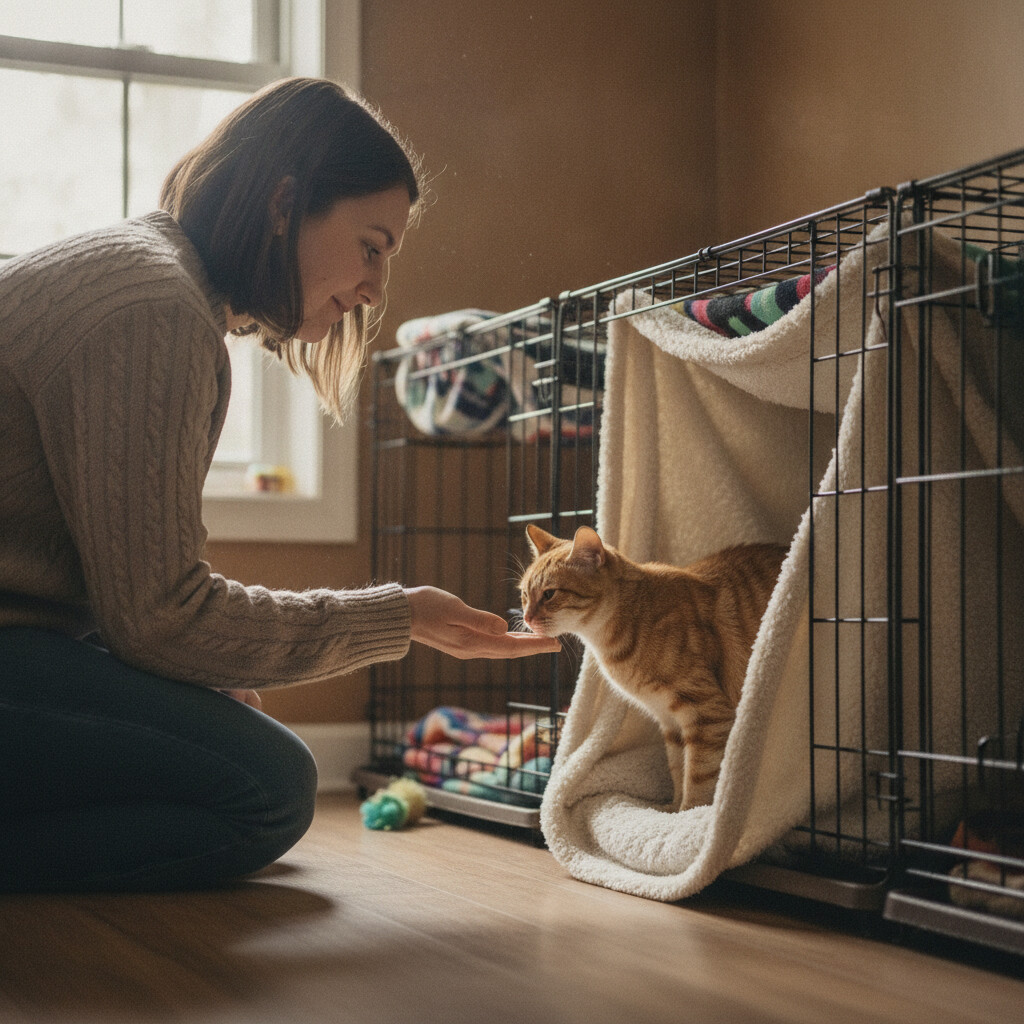
Adopting from a shelter is more straightforward than most people expect: fill out an application, do a meet-and-greet, pay the adoption fee, and take your new cat home. The whole process usually takes somewhere between twenty minutes and a few days, depending on the shelter and how many other people are interested in the same cat. Here’s what actually happens at each step, so nothing catches you off guard.
Step 1: The Application
Most shelters and rescues — including large organizations like the ASPCA — have you browse adoptable cats online first, then submit an application for the specific cat you’re interested in rather than a general “I want a cat” form. The application typically asks about your living situation (renting or owning, whether pets are allowed), other animals in the household, and your general experience with cats.
If you already have a pet, some shelters will call your current or former veterinarian to check your vaccination and care history. This isn’t a trap — it’s a basic screening step, and most applicants clear it without issue. A few rescues also do a home visit or a landlord check for renters, though this varies a lot by organization and is becoming less common at high-volume municipal shelters, which are usually trying to move cats into homes quickly rather than screen people out.
Don’t take a request for more information personally. Shelters that ask a lot of questions aren’t being difficult — they’re trying to match you with a cat who’ll actually thrive in your specific setup, which is better for you and the cat.
Step 2: The Meet-and-Greet
Once your application clears, you’ll usually get to meet the cat, either in person or, at some shelters now, via a scheduled video call before an in-person visit. This is your chance to see the cat’s actual personality, not just their adoption photo. A cat who seems standoffish in a loud shelter room might be completely different at home — shelters are stressful environments, so don’t rule a cat out based on a few nervous minutes in a meeting room.
Bring questions: how the cat does with other cats or dogs, whether they’ve shown any medical issues, how they do with handling, and what their intake history looks like (owner surrender, stray, born in foster care). Staff and foster volunteers who’ve spent time with the cat are usually your best source of real behavioral information — better than the cage card.
Step 3: Paperwork and the Adoption Fee
If it’s a match, you’ll fill out final adoption paperwork and pay the fee. Adoption fees vary widely — often $50 to $200 depending on the organization, the cat’s age, and your region — and typically cover at least part of the cost of spay/neuter surgery, an initial vaccine series, a microchip, and sometimes a basic health check. Kittens and purebred-looking cats tend to have higher fees than adult cats; many shelters actually waive or reduce fees for senior cats and cats who’ve been waiting a long time, since they’re harder to place.
Bring a photo ID and, if you rent, be ready to show proof that pets are allowed — some shelters ask for this upfront, others follow up after the fact.
What to Have Ready Before You Bring Them Home
Before pickup day, you’ll want the basics set up: a litter box, food and water bowls, a scratching post, and a carrier for the ride home. If you haven’t sorted out the essentials yet, our guide on essential supplies for a new cat owner covers what’s worth buying and what you can skip.
It also helps to set up one small, quiet room as a home base rather than giving a newly adopted cat the run of the whole house immediately — food, water, a litter box, and a hiding spot, away from other pets. Most cats do better decompressing in a smaller space before being introduced to the rest of the home gradually. For a full walkthrough of that adjustment period, see The First 30 Days with a New Cat and how long it typically takes a new cat to settle in — the honest answer is anywhere from two days to two months, and it has almost nothing to do with how nice your house is.
When to See a Vet
Book a vet visit within the first week of bringing your cat home, even if the shelter already did an intake exam. This first visit establishes your own vet’s baseline — weight, dental condition, and any early signs of the upper respiratory infections that are extremely common in shelter cats due to close quarters and stress. A little sneezing or watery eyes in the first few days after adoption is common and usually resolves on its own; persistent discharge, not eating for more than 24 hours, lethargy, or diarrhea that doesn’t clear up within a couple of days are reasons to call your vet sooner rather than waiting for that first scheduled visit.
If you adopted a kitten, ask about the remaining vaccine schedule — most shelters send kittens home partway through their series, not fully vaccinated, so there will be follow-up boosters to track.
The Bottom Line
The shelter adoption process exists to protect the cat, not to make your life difficult. Go in with your questions ready, be honest on the application about your setup, and don’t expect an anxious cat in a shelter cage to show you their real personality right away. Most of getting to know your new cat happens after you’re both home.