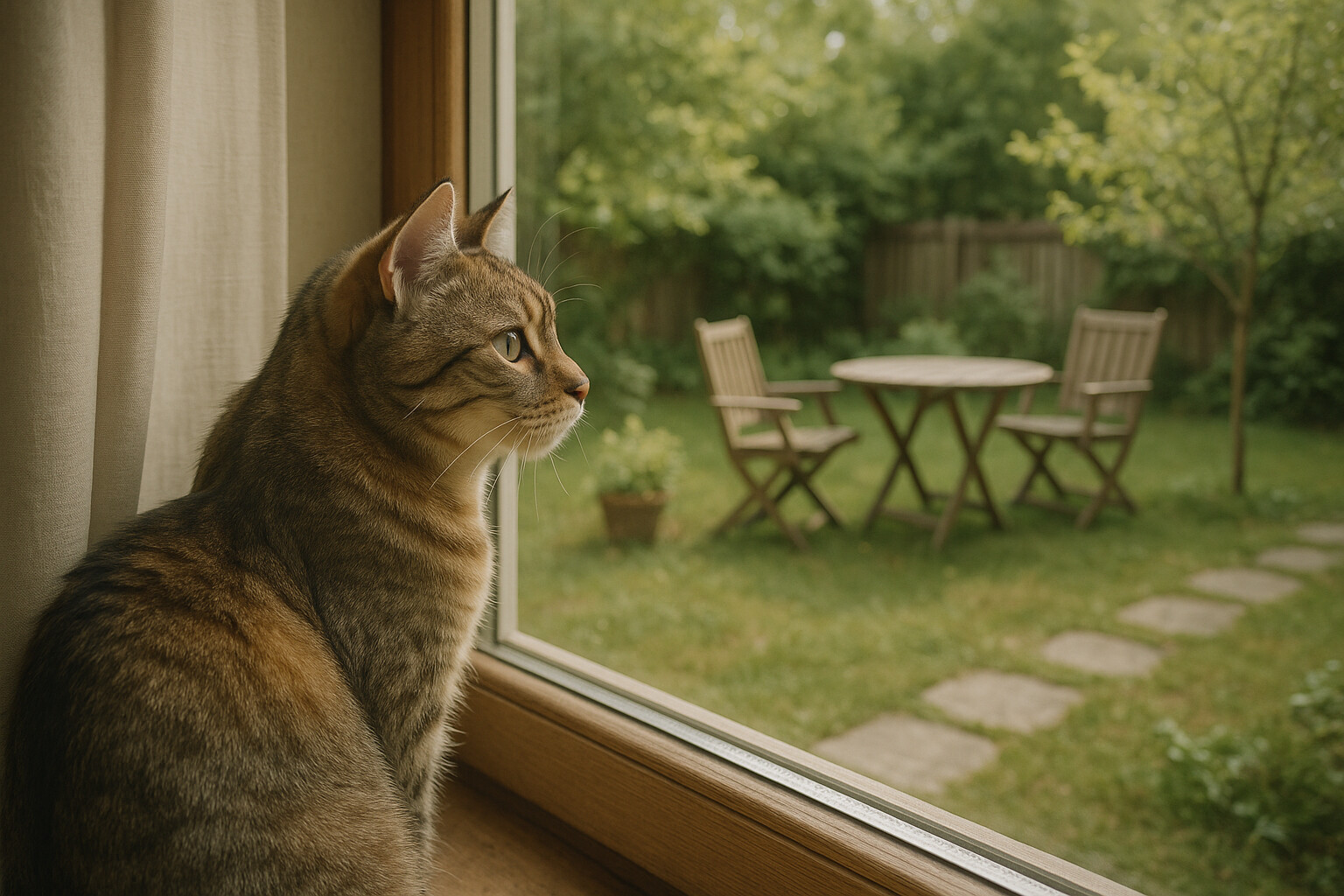
Ask any group of cat owners whether their cat should be allowed outside and you will start an argument. It is one of the most divisive topics in the cat world - and both sides have real points.
Here is what the research actually shows, without the moralizing.
The Lifespan Difference Is Real
This is the number most often cited in the debate, and it holds up: indoor cats live significantly longer on average than outdoor cats.
- Indoor cats: Average lifespan of 12-18 years
- Outdoor/indoor-outdoor cats: Average lifespan of 2-5 years
That gap is enormous, and it is driven by a handful of factors: road traffic, predators (coyotes, dogs, birds of prey), disease transmission from other animals, fights with other cats, and exposure to toxins like pesticides, antifreeze, and bait poisons.
But Indoor Life Has Its Own Risks
Full-time indoor cats are safer from acute threats, but they face a different set of chronic problems:
- Obesity: Studies show indoor cats are significantly more likely to become overweight, which leads to diabetes, joint problems, and heart disease.
- Boredom and behavioral issues: Without sufficient stimulation, cats develop stress-related behaviors - overgrooming, aggression, depression, compulsive behaviors.
- Urinary tract disease: Stress and low activity levels are both linked to feline idiopathic cystitis, a painful and recurring condition.
The research on this is clear too: environment quality matters enormously. A well-enriched indoor environment produces healthy, happy cats. A boring apartment with nothing to do does not.
What the Experts Say
The consensus among veterinary organizations - including the American Veterinary Medical Association and the Australian Veterinary Association - is that indoor cats live longer and healthier lives. Most recommend keeping cats indoors, or providing “controlled outdoor access” rather than free roaming.
“Controlled outdoor access” means things like:
- Supervised time in the garden
- Catios (enclosed outdoor spaces)
- Leash walks for cats that have been trained
- Cat-proofed yards that allow roaming without escape risk
The Environmental Argument
This one is often left out of the indoor vs outdoor debate, but it matters. Domestic cats are among the most significant predators of birds and small mammals in many parts of the world.
Research published in Nature Communications estimated that free-ranging domestic cats in the US kill between 1.3 and 4 billion birds and 6.3 to 22.4 billion small mammals annually. These are staggering numbers - and they are why organizations like Nature Canada, the RSPCA, and Birdlife International recommend keeping cats contained.
So What Is the Right Answer?
Honestly, it depends on where you live and what your cat is like.
The case for keeping cats in:
- Busy roads nearby
- Urban or suburban environment
- Significant local wildlife to protect
- Your cat was raised indoors and does not show strong desire to be outside
The case for allowing outdoor access:
- Rural or low-traffic area
- Cat has always had outdoor access and is clearly distressed without it
- You can provide controlled access (fenced yard, supervised time)
The middle ground most experts now recommend:
Provide the safety of indoors with the stimulation of outdoors - through catios, enriched indoor environments, and where possible, secure outdoor spaces that your cat can access without being able to roam freely.
Your cat does not need to choose between safety and a fulfilling life. With the right setup, they can have both.
Have thoughts on this? We would love to hear what works for your cat - drop a comment below.