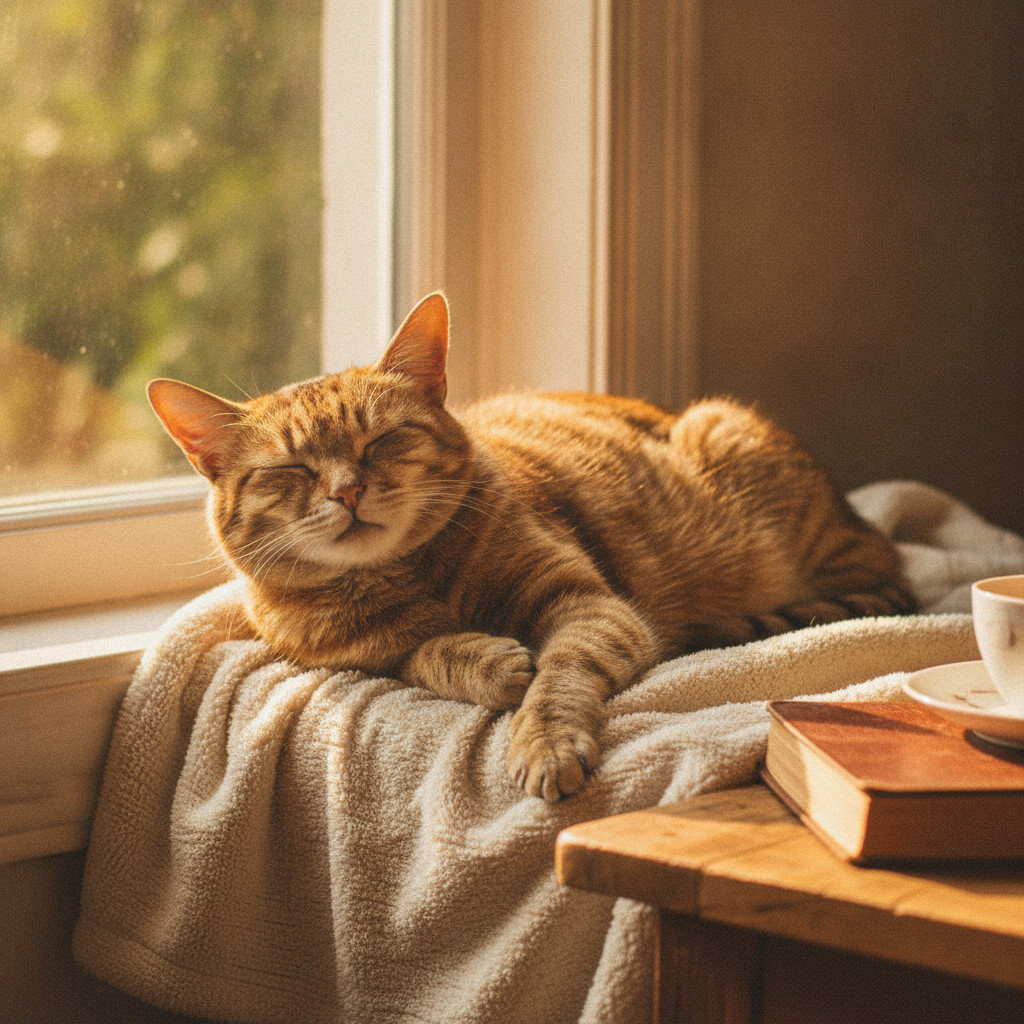
Cats hide pain well — sometimes so well that owners don’t realise their older cat is struggling until they’ve been struggling for months. Here’s how to recognise stiffness and discomfort in aging cats, and what you can do to make their senior years genuinely comfortable.
How Cats Age — and Why It’s Easy to Miss
Most cats are considered “senior” from around age 10–11, and “geriatric” from around 15. But aging isn’t a switch that flips — it’s a gradual shift in what your cat’s body can and can’t do easily.
The most common issue in aging cats, by a significant margin, is osteoarthritis. A landmark study published in the Journal of Feline Medicine and Surgery found that 90% of cats over age 12 showed radiographic evidence of degenerative joint disease — and most of those cats showed no obvious lameness. They were just slower. Less inclined to jump. Sleeping more. Occasionally missing the litter box.
These aren’t personality quirks. They’re often signs of chronic pain that’s entirely manageable with the right support.
Signs Your Senior Cat’s Mobility Is Declining
Because cats don’t limp the way dogs do, the signs of joint pain are subtler. Watch for:
- Reluctance to jump — skipping the sofa or bed they previously used without hesitation, or jumping lower from surfaces than they used to
- Stiffness after resting — moving slowly or awkwardly for the first few minutes after waking, then loosening up
- Grooming changes — patches of matted fur, particularly on the back, haunches, or base of the tail (spots that are hard to reach when joints are sore)
- Litter box misses — if your cat is suddenly going just outside the box, they may be struggling to step over the rim
- Irritability when touched — a cat who used to enjoy being handled but now reacts badly to being petted in certain spots may be in pain there
- Reduced activity — sleeping more than usual, less interested in play, not initiating interaction
If you’re seeing several of these, a vet check and some environmental changes are both worth prioritising.
Environmental Changes That Make a Real Difference
The highest-impact thing you can do for a senior cat with mobility issues is redesign their immediate environment. It costs little to nothing and can dramatically reduce daily discomfort.
Lower the litter box entry. High-sided boxes are a daily obstacle for arthritic cats. Switch to a box with a low front entry — or, for cats who are really struggling, a shallow tray with a puppy pad inside. Removing this barrier reduces accidents and reduces pain.
Add ramps or steps to favourite spots. If your cat loves the sofa but is struggling to jump, a small pet ramp or carpeted steps let them access it without impact on their joints. Most cats resist using these initially — placing a treat or some catnip at the top for the first week typically solves that.
Move resources to where your cat already is. If they’re struggling to climb to the litter box or descend to their food bowl, bring the resources to their level. Don’t make a sore cat climb two flights of stairs.
Add warmth. Arthritis is worse in the cold. A self-heating pet bed or a blanket-covered spot near a radiator provides real comfort without any medication. Our guide on whether heated cat beds are safe covers what to look for and what to avoid.
Raise the food and water bowls slightly. A raised bowl (just a few centimetres off the floor) reduces neck extension, which can be uncomfortable for cats with any cervical or spinal arthritis.
Keeping Senior Cats Moving
Gentle activity is better for arthritic joints than prolonged rest. Light, low-impact play helps maintain the muscle mass that supports those joints. A 5-minute interactive play session (nothing requiring jumping or sharp direction changes) twice a day is more beneficial than hours of inactivity.
What works well for seniors:
- Wand toys moved slowly along the floor — no jumping required
- Puzzle feeders that engage the brain without demanding agility
- Slow, gentle massage around the haunches and lower back — many cats with arthritis actively seek this out once they learn it helps
What to avoid: high-speed chase toys that require jumping; cold tile or hardwood floors without rugs (hard on joints — add non-slip mats); extended play sessions that leave them clearly sore afterward.
Nutrition for Aging Joints
There’s reasonable evidence that omega-3 fatty acids (EPA and DHA specifically — not ALA) have anti-inflammatory properties that can benefit arthritic cats. The WSAVA (World Small Animal Veterinary Association) supports omega-3 supplementation as a complementary approach to joint support in aging cats, though the evidence base in cats is less extensive than in dogs.
Weight management matters just as much. Even mild overweight status significantly increases load on arthritic joints. If your senior cat is carrying extra weight, a vet-supervised weight loss plan is worthwhile — but drastic calorie cutting is never appropriate for cats, as it can trigger hepatic lipidosis (fatty liver disease).
For a detailed breakdown of what aging cats need from their food, see our article on feeding senior cats for kidney and joint health.
When to See a Vet
Don’t wait for obvious limping or complete mobility loss. See a vet if:
- You’re noticing any of the signs listed above, particularly stiffness, grooming changes, or litter box misses
- Your cat’s appetite has changed
- You feel pain is affecting their quality of life
- Your cat is over 10 and hasn’t had a wellness check in the past 6 months
Pain management for arthritic cats has improved significantly in recent years. Long-acting injectable anti-inflammatory medications specifically licensed for feline arthritis are now available and have shown meaningful quality-of-life improvements in clinical trials. Older NSAIDs require careful monitoring in cats due to kidney sensitivity, but newer options have a better tolerability profile.
A vet with experience in senior or geriatric cats can perform a full musculoskeletal assessment and help you build a pain management plan suited to your cat’s specific situation and health history.
The Takeaway
The goal isn’t to reverse aging — it’s to make the senior years as comfortable and engaged as possible. Environmental changes, gentle daily activity, appropriate nutrition, and timely vet input are all achievable things that make a measurable difference.
An aging cat who slows down doesn’t have to be an aging cat who suffers quietly. Small changes in how you set up their world can change how much they enjoy it.