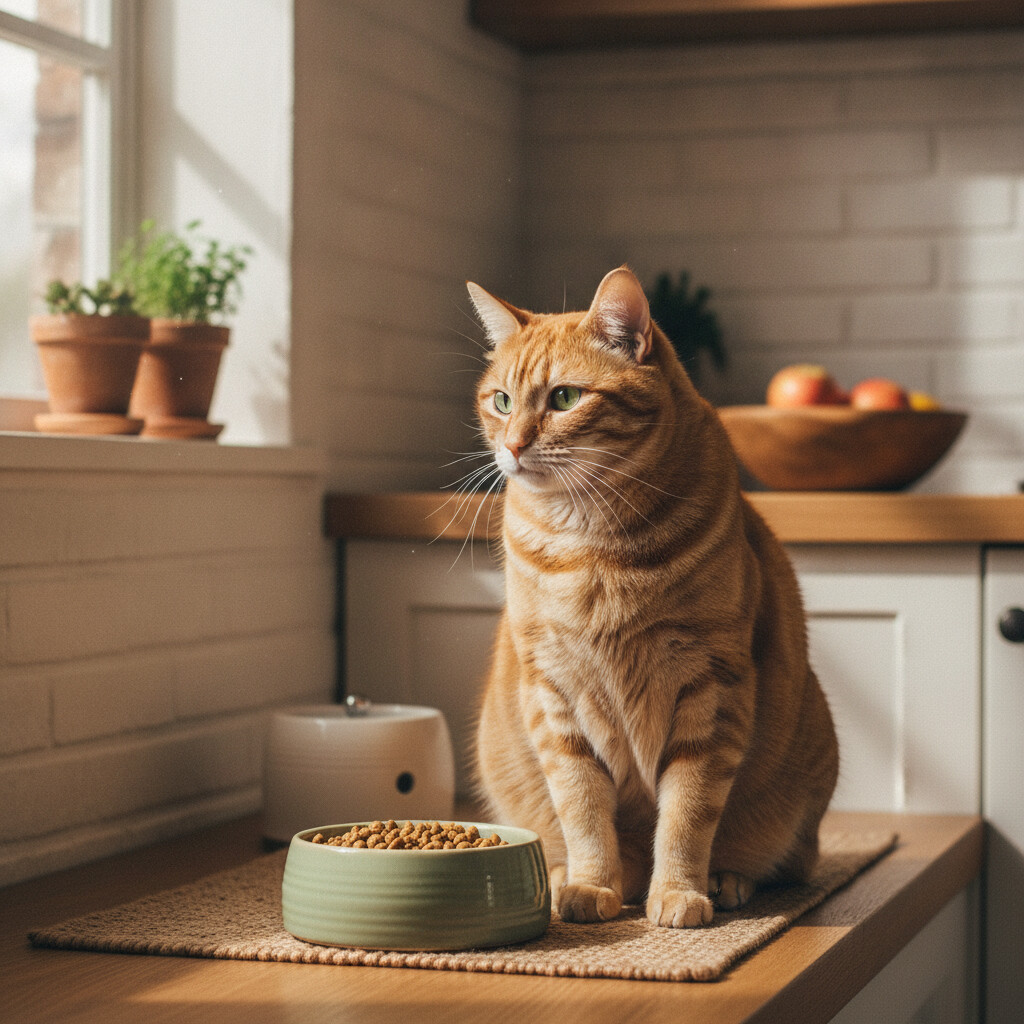
Most cats on a complete, commercial diet don’t need supplements — but a handful have real evidence behind them for specific situations, and a few popular ones are closer to marketing than medicine. Here’s the honest breakdown, split by what actually holds up.
The Ones With Real Evidence Behind Them
Omega-3 fatty acids (EPA/DHA, usually from fish oil). This is the supplement with the best research behind it for cats. Studies published in the Journal of Feline Medicine and Surgery and elsewhere show omega-3s can help reduce inflammation in cats with osteoarthritis, and they’re commonly used as adjunct support in cats with chronic kidney disease, where they may help slow inflammatory changes in the kidneys. The WSAVA Global Nutrition Committee lists marine-derived omega-3s as one of the few supplements with reasonable evidence for joint and inflammatory support in cats. Dosing matters — too much fish oil can cause GI upset or interfere with vitamin E status, so this is one where your vet should set the amount, not the bottle’s suggested serving.
Probiotics — with caveats. The evidence here is mixed but not nothing. A few controlled studies (including work on the probiotic strain Enterococcus faecium SF68) show modest benefit for cats with antibiotic-associated diarrhea or acute stress-related GI upset, like the kind that shows up during boarding or a household move. What probiotics are not well-supported for is fixing chronic GI disease or IBD on their own — if your cat has ongoing digestive issues, that’s a “see the vet” situation, not a “try yogurt” one (and regular dairy yogurt isn’t a good source for cats anyway; most are lactose intolerant to some degree).
Joint supplements (glucosamine/chondroitin) — extrapolated, not proven, in cats. Most of the strong evidence for glucosamine and chondroitin comes from dog and human studies. Cats metabolize and absorb these compounds differently, and feline-specific trials are thin. That said, vets often recommend them for senior cats with suspected arthritis because the risk profile is low and there’s a plausible mechanism — just go in with the right expectation: “might help, low risk” rather than “proven fix.”
The Ones That Are Mostly Marketing
Multivitamins for a healthy cat already eating a complete commercial diet. If your cat’s food is labeled “complete and balanced” per AAFCO standards, they’re already getting the vitamins and minerals they need. Adding a multivitamin on top doesn’t fill a gap — because there isn’t one — and it introduces a real risk: fat-soluble vitamins (A, D, E, K) build up in the body over time rather than flushing out like water-soluble ones. Vitamin A and D toxicity in cats from over-supplementation is a documented, if uncommon, problem. Unless your vet has diagnosed an actual deficiency (rare on a commercial diet), a multivitamin is solving a problem your cat doesn’t have.
“Immune support” blends with vague ingredient lists. These are one of the fastest-growing categories in pet supplements and one of the least regulated. There’s no single validated way to “boost” a healthy cat’s immune system through a supplement, and most of these products lean on ingredients (mushroom blends, antioxidant cocktails) with human research, not feline research, behind them. Not necessarily harmful, but you’re paying for a story more than a mechanism.
Calming supplements — genuinely mixed. Ingredients like L-theanine and alpha-casozepine (a milk protein derivative) have some published data suggesting mild anxiolytic effects in cats, mostly from manufacturer-funded studies, which is worth knowing going in. They’re reasonable to try for situational stress (vet visits, travel, a new pet in the house) because the safety profile is good. They’re not a substitute for addressing the actual source of a cat’s anxiety, and they won’t do much for a cat with a genuine behavioral or medical issue underneath the stress.
Where Supplements Can Actually Cause Harm
This is the part product marketing skips. Supplements are regulated far more loosely than medications — in the US, the FDA doesn’t require pre-market proof of safety or efficacy for most pet supplements the way it does for drugs. That means quality and dosing accuracy vary a lot between brands. Two things to watch for:
- Fat-soluble vitamin overload. As mentioned above, A, D, E, and K accumulate. Layering a multivitamin on top of an already-complete diet, especially long-term, is the most common way this happens.
- Drug interactions. Some supplements — including fish oil at high doses and certain herbal calming blends — can interact with medications for clotting, thyroid disease, or seizure disorders. If your cat is on any prescription medication, that’s a mandatory “ask the vet first,” not a “probably fine.”
One practical filter: look for products carrying the NASC (National Animal Supplement Council) Quality Seal. It’s not a guarantee of efficacy, but it does mean the manufacturer follows quality-control and reporting standards that a lot of the market simply skips.
When to Talk to Your Vet
Before starting any supplement, check in with your vet if your cat:
- Has a diagnosed condition (kidney disease, hyperthyroidism, diabetes, liver disease)
- Is on any prescription medication
- Is a kitten, pregnant, or nursing
- Would be getting the supplement long-term rather than for a short, specific situation
None of that means supplements are off the table — it means the “which one, how much, for how long” questions are worth five minutes with your vet rather than a guess based on packaging copy.
The Bottom Line
If your cat is healthy and eating a complete commercial diet, they probably don’t need a supplement at all. If there’s a specific issue — joint stiffness, kidney support, situational stress — a targeted, vet-approved supplement can genuinely help. What almost never helps: stacking a multivitamin or “immune support” blend on top of a healthy cat’s diet just in case. Match the supplement to an actual problem, not a feeling that you should be doing more. If you’re not sure your cat’s current diet needs anything on top of it, How to Read a Cat Food Label Without Going Cross-Eyed is a good place to start — and if joint support is on your mind because your cat is getting older, Arthritis in Senior Cats: Signs to Watch For and How to Help covers the bigger picture beyond just supplements.