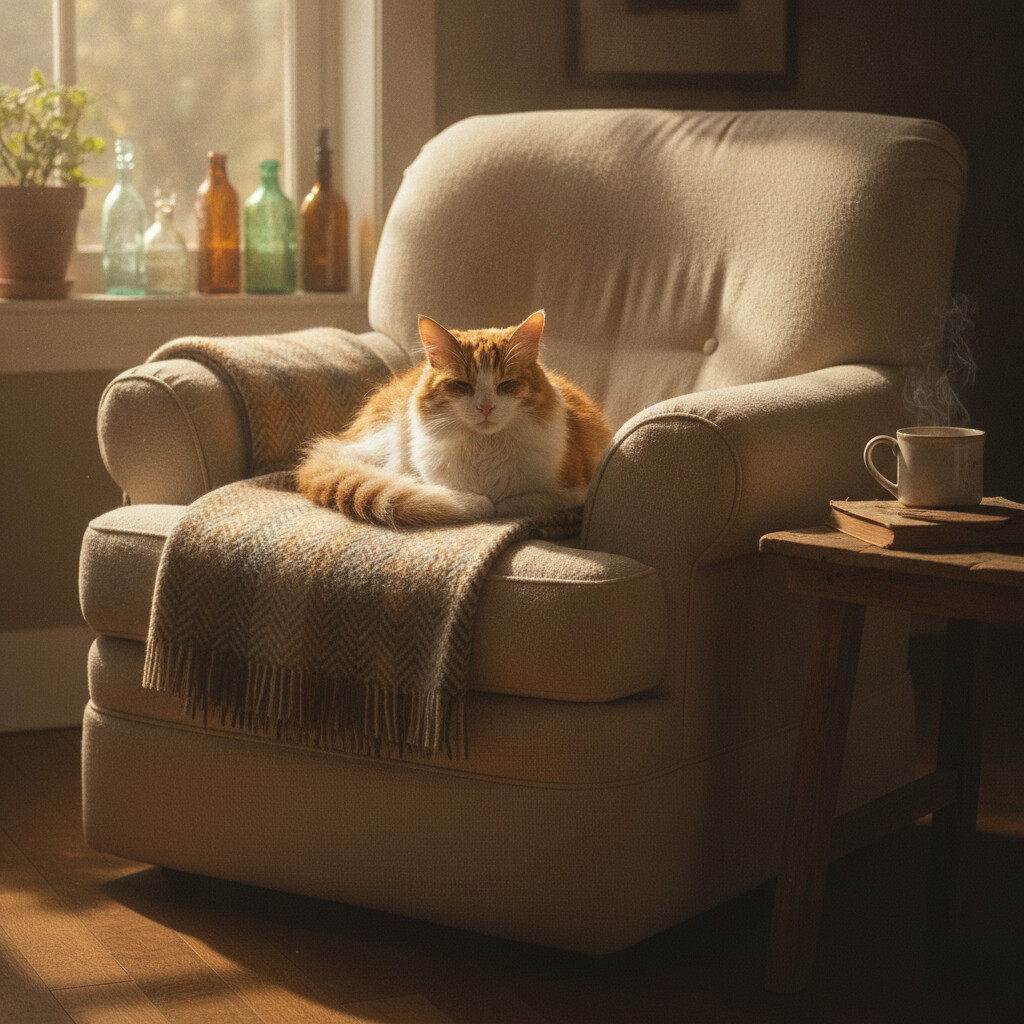
I almost didn’t adopt Chester. He was nine years old, orange and white, slightly overweight, and had been at the shelter for four months. Everyone who worked there loved him — he’d park himself at the front of his kennel, headbutt any hand that came near, and purr like a small diesel engine. He just wasn’t going home.
I understand why I hesitated. Nine-year-old cats mean vet bills, shorter timelines, and the promise of harder conversations down the road. I told myself I’d think about it. I drove home without him. Then I turned around.
That was two years ago. I have zero regrets.
Why Senior Cats Are Always the Last to Leave
Kittens and young cats go fast at shelters. Senior cats — typically defined as 10 years and older, though definitions vary by vet — often wait months, or get euthanised to make space. The logic behind not adopting them is understandable: shorter time together, potential health issues, higher vet bills.
Here’s what I didn’t know: a healthy nine or ten-year-old cat can still have six to eight years ahead of them. The ASPCA puts average indoor cat lifespan at 13–17 years, with many reaching well beyond that. Chester isn’t a geriatric emergency — he’s middle-aged by cat standards, and about as healthy as you’d expect for someone who enjoys napping and having opinions about which chair is his.
The other thing nobody mentions: senior cats are done with the difficult phases. The furniture-destruction stage, the 3am zoomies, the catastrophic miscalculation jumping from the fridge — mostly behind them. Chester sleeps fourteen hours a day and greets me at the door when I get home. That’s the deal, and I’d sign it again.
The First Weeks: What Actually Happened
Senior cats often take longer to decompress after a shelter stay than younger cats do. Chester spent the first two weeks mostly under my bed. He’d come out for food, accept a few strokes, and retreat again. I left him alone, kept the routine consistent, and resisted the urge to “help” by dragging him out for company.
By week three, he’d claimed the armchair. By week four, he’d started sleeping on my feet. Decompression looks different for every cat, but patience and low-pressure interaction make a consistent difference — and with older cats, that settled confidence tends to arrive and then stay, rather than cycling through the anxiety-calm-chaos pattern that some younger cats keep running.
I’d read The First 30 Days with a New Cat: What to Expect and How to Set Up for Success before Chester came home, and most of it applied directly — the core principles don’t change much based on age.
What Chester Taught Me About Paying Attention
Older cats need more vet visits, and that’s not a burden — it’s a communication upgrade. Annual check-ups become bi-annual after age ten or so, per American Association of Feline Practitioners guidelines. Chester’s first exam revealed mild early-stage arthritis in one hip, which explained why he’d quietly stopped jumping onto the higher surfaces. We started him on a joint supplement and moved his food bowl somewhere he didn’t have to step over the dog gate to reach.
That kind of change is easy to miss in a younger cat who’s bouncing around anyway. In a senior cat who has settled into clear routines, shifts are obvious: a change in appetite, drinking more water than usual, a gait that’s just slightly different. You notice, because you know what normal looks like. It’s made me a much better observer overall.
Signs of Pain in Older Cats (And What to Do) covers a lot of what I learned during that first vet visit. I’d recommend reading it even if your cat seems perfectly comfortable — chronic pain in cats is frequently masked until it becomes unavoidable, and the earlier you catch it, the easier it is to manage.
The Unexpected Rewards
People ask if I’m sad, knowing Chester is older. Honestly, not in the way I expected. I spend less time worrying about abstract future losses and more time paying attention to the actual cat in front of me — which is probably a healthier way to live regardless of the species.
There’s also something particular about adopting a shelter senior. I don’t know what Chester’s first nine years looked like, but I know he’d been waiting for four months when I met him. The way he settled in — methodically, deliberately, as if installing himself into a role he’d been waiting to fill — suggested he had some opinions about how things ought to go. They’re good opinions. I defer to most of them.
He’s asleep on my feet right now. His weight is exactly right. His coat is glossy. His purr is still a diesel engine.
Worth it. Twice over.