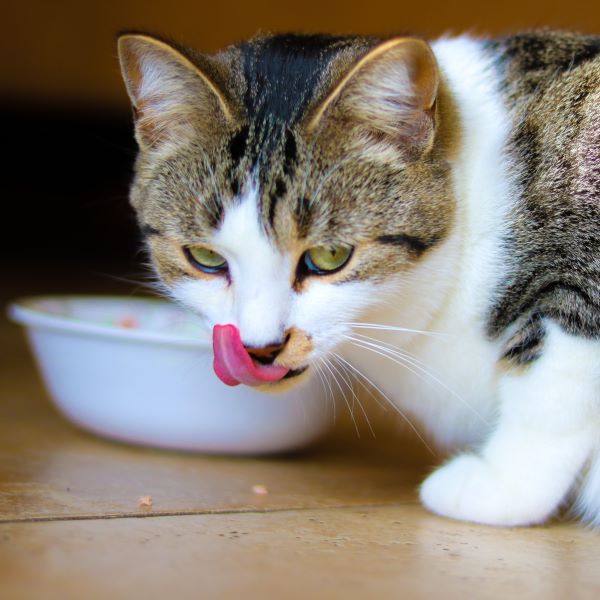
A cat that suddenly stops eating is cause for attention — but the reasons range from serious medical issues requiring immediate vet care to relatively simple behavioral adjustments. This article from Oscillot covers 5 of the most common reasons cats stop eating, helping you quickly identify what’s happening and what to do.
Illness or dental problems top the list. Cats with gastrointestinal issues, kidney disease, respiratory infections, or dental pain (broken teeth, gum disease, mouth sores) will often reduce or stop food intake. Any sudden, unexplained appetite loss warrants a vet check. Environmental change and stress come second: cats are highly sensitive to routine disruptions — a new home, new pet, schedule changes, or even a changed feeding location can cause a hunger strike. Patience and consistency, plus sometimes a vet or behaviorist consultation, resolve most stress-related cases.
Third reason: outdoor cats may be hunting or eating elsewhere, reducing appetite for home food. A contained outdoor yard solves this — cats get the stimulation of outdoor access without unsupervised hunting opportunities. Fourth: food preferences can be surprisingly specific; a changed food formula, switched bowl, or altered feeding location may trigger refusal. Fifth: medication side effects or recent vaccinations can temporarily suppress appetite.
The article covers clear guidance for each cause, when to seek immediate veterinary attention (any appetite loss exceeding 24–48 hours in adult cats; less in kittens or seniors), and how safe outdoor enrichment can reduce stress-related appetite issues while keeping cats contained.
Read the full article: Why is My Cat Not Eating? 5 Reasons