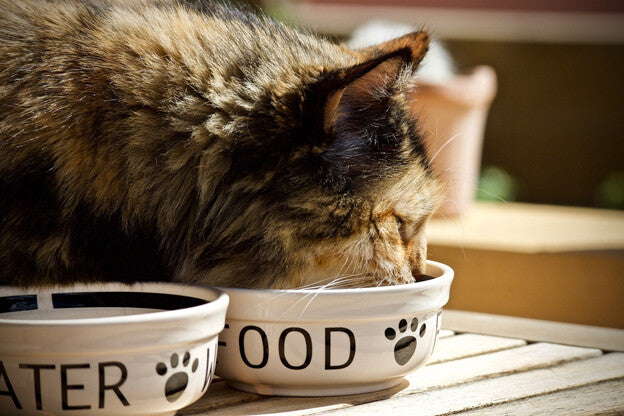
Timing your kitten’s dietary transition correctly is one of the most important decisions you’ll make in their first year of life. Get it right and you set them up for optimal adult health; get it wrong and you risk nutritional deficiencies or inappropriate weight gain. This helpful guide from Oscillot clears up the confusion.
The magic number for most cats: 12 months. At around their first birthday, most breeds are ready to transition from kitten to adult food. There’s one notable exception: larger breeds (Maine Coon, Norwegian Forest Cat, Ragdoll, British Shorthair) have longer growth phases and may benefit from staying on kitten food until 18–24 months. When in doubt, consult your vet — they can advise based on your cat’s actual body condition and growth progress.
Why does it matter? Kitten food is formulated differently from adult food: higher protein, more calories, and different calcium-to-phosphorus ratios to support rapid growth. An adult cat on kitten food will likely gain inappropriate weight; a kitten on adult food may not get adequate nutrition during critical growth phases.
The transition itself should be gradual: start by mixing 75% kitten food with 25% adult food for several days, then 50/50, then 25% kitten with 75% adult, then fully adult food. Gradual transition minimizes digestive upset and gives your cat time to adjust to the new taste and texture. Monitor weight and stool consistency throughout.
Read the full article: When to Switch From Kitten to Adult Cat Food?