I’ve had cats my whole life. Grew up with them, adopted my first one as an adult at 24, and by the time I was in my mid-30s I thought I had a pretty good handle on what cat ownership looks like. Feed them, scoop the box, take them to the vet when they seem sick. Simple enough, right?
Then Biscuit nearly died while I was completely convinced he was fine.
The Cat Who Seemed “Just a Little Off”
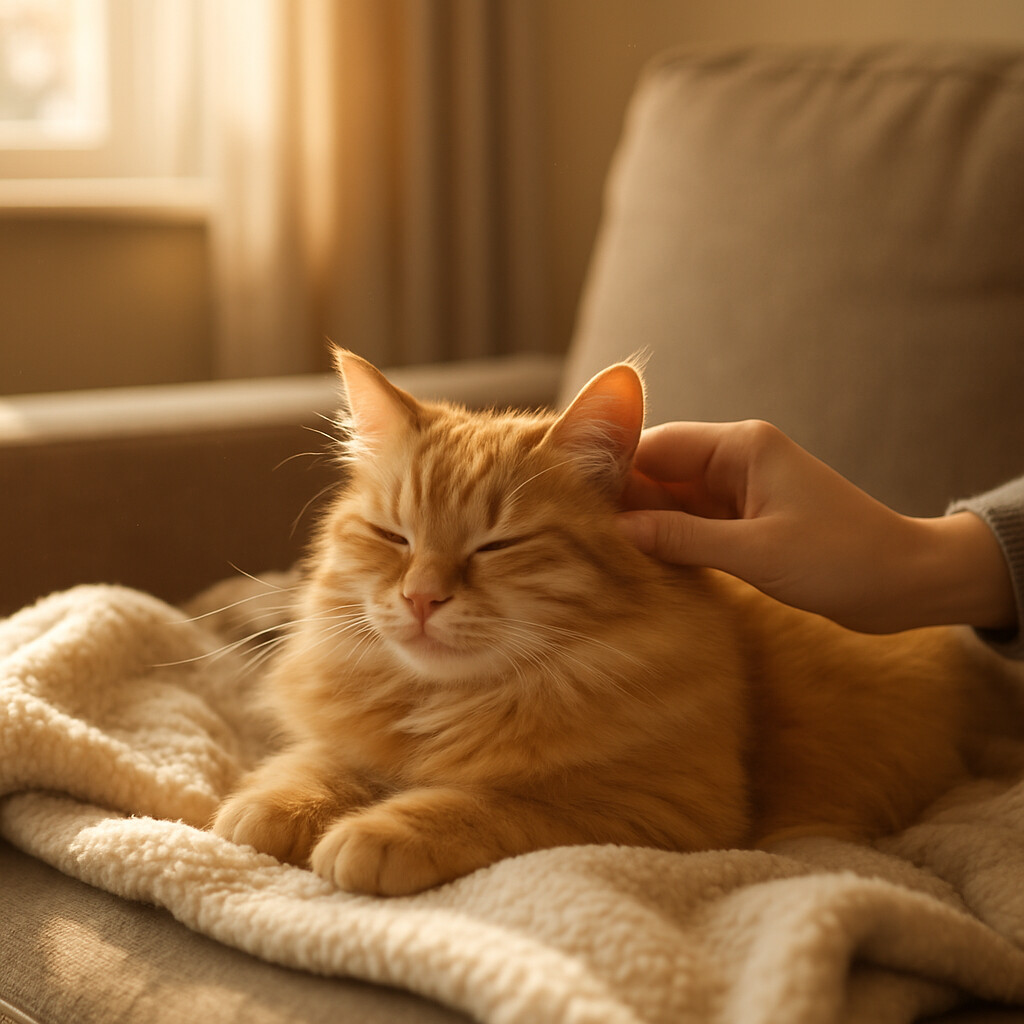
Biscuit is a nine-year-old orange tabby — big, opinionated, and almost insultingly healthy his entire life. I’d maybe taken him to the vet twice in four years. He ate well, he used his box, he yelled at me every morning until I fed him. He was Biscuit.
Last October, I noticed he was drinking more water than usual. Not dramatically more — just, I was refilling the fountain a little more often than I expected to. I filed it away mentally as “huh, must be eating drier food” and moved on.
A week later, he seemed less interested in breakfast. Biscuit lives for breakfast. But he ate eventually, and I told myself he was probably just being dramatic.
Ten days after I first noticed the water thing, he stopped eating entirely. He sat hunched in the corner of the living room in that specific way cats do when something is wrong — not hiding, just… still. Not right.
I called the vet at 8 AM and got him in that afternoon.
What the Vet Found
His bloodwork came back within 20 minutes of the blood draw. Biscuit’s kidney values were severely elevated — creatinine and BUN both well above normal range. His potassium was low. He was dehydrated despite drinking constantly.
The vet explained it clearly: he’d been in kidney decline for probably months, compensating by drinking more water to try to flush what his kidneys couldn’t process efficiently. The increased drinking was a sign, not a coincidence. So was the reduced appetite. I’d watched both of these things happen and explained them away.
He spent two nights at the vet clinic on IV fluids. The first night, I wasn’t sure he was coming home.
What I Learned the Hard Way
Here’s what I wish someone had spelled out for me before this happened:
Increased thirst in a cat is never “just nothing.” The three most common causes are kidney disease, diabetes, and hyperthyroidism — all serious, all manageable if caught early, all significantly harder to manage if caught late. If your cat is drinking noticeably more than usual, that’s a vet visit. Not “watch and wait.” A vet visit.
Reduced appetite is a symptom, not a mood. Cats can be picky. But a cat who skips meals consistently, especially an older cat, is telling you something is wrong. Cats don’t just decide to diet.
The “hunched stillness” position is a distress signal. A cat sitting with their back slightly rounded, head lowered, weight forward — this is not a cat relaxing. This is a cat conserving energy because something hurts or something is very wrong. Know the difference between your cat’s resting posture and this.
Senior wellness panels matter. Biscuit had never had bloodwork. A baseline blood panel at age 6 or 7 would have given us reference values. We’d have known what “normal Biscuit” looked like and caught the trend earlier. The ASPCA recommends senior wellness exams (including bloodwork) starting at age 7–8 for cats, and annually after 10. I understand now why.
Where Biscuit Is Now
He came home on day three with a new normal: prescription kidney food (he was appalled), a daily potassium supplement mixed into his wet food, and quarterly bloodwork to monitor his levels.
He is not cured. Chronic kidney disease (CKD) in cats doesn’t reverse — you manage it. But managed early enough, cats live well with CKD for years. His numbers have stabilized. He yells at me every morning again. He drinks from the fountain I moved to three different spots before he approved of the location.
He’s Biscuit.
The Thing I Tell Every Cat Owner Now
If your cat is seven or older and hasn’t had bloodwork in the last year, schedule it. Not because something is wrong, but because you want to know what “normal” looks like before something is wrong.
And if something feels off — a new habit, an old behavior that changed, something you can’t quite put your finger on but isn’t right — trust that feeling. Cats are stoic by nature. By the time they show you obvious signs of illness, they’ve usually been managing it quietly for a while.
Biscuit’s “subtle” symptoms weren’t subtle — I just didn’t know what I was looking at.
I know now.
— CatLady6