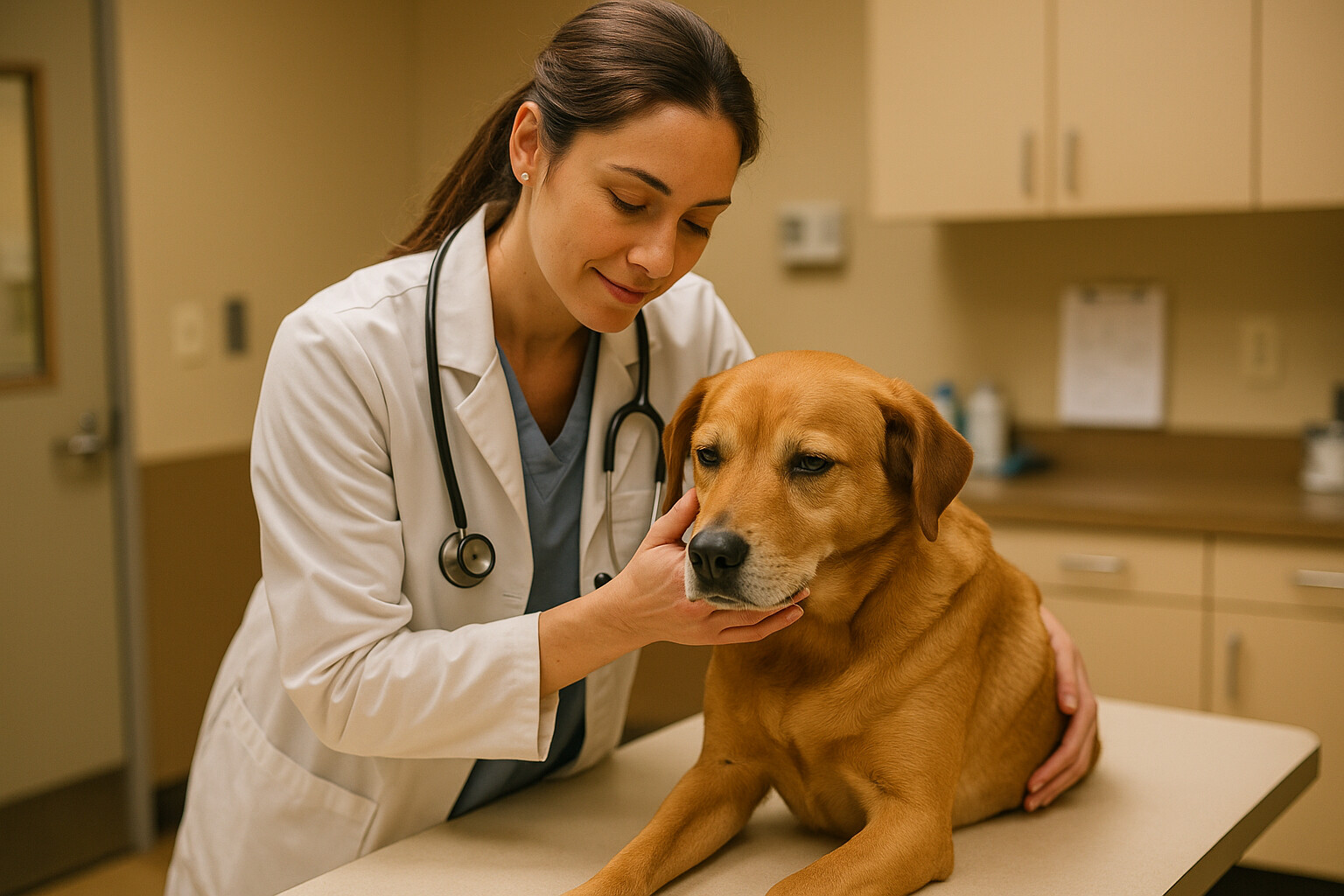
Dogs can’t tell you when something hurts. What they can do is show you — through behavior, body language, and subtle changes in how they move and interact with the world. The challenge for owners is learning to read those signals before a health issue becomes serious.
Pain in dogs is more common than many people realize. Arthritis, dental disease, injury, and internal problems can all cause discomfort that a dog can’t verbalize. Knowing what to look for is one of the most important things you can do for your pet’s wellbeing.
Changes in Behavior and Personality
One of the earliest and most reliable signs of pain in dogs is a shift in their normal personality. A dog that’s usually outgoing, playful, or eager to greet you at the door may suddenly seem withdrawn, subdued, or uninterested in activities they normally enjoy.
Some dogs become unusually clingy when hurting; others pull away from touch they’d normally welcome. If your dog snaps or growls when you touch a specific area, that’s a significant red flag. The ASPCA notes that sudden behavioral changes — including unexpected aggression in an otherwise gentle dog — are a common indicator that something physical may be wrong.
Mobility and Movement Changes
Watch how your dog moves. Pain often shows up most clearly in how a dog navigates their physical environment.
Limping or favoring one leg is an obvious indicator, but subtler signs matter too. Look for:
- Stiffness when getting up from lying down, especially in the morning
- Hesitation at stairs or reluctance to jump onto furniture they normally use
- A shortened stride or change in gait that doesn’t match their usual movement
- Difficulty getting comfortable — shifting position frequently, circling multiple times before lying down, or lying in unusual postures
Older dogs are particularly susceptible to arthritis-related pain. If your dog seems to “warm up” after a few minutes of movement and then become more fluid, that pattern is often associated with joint issues.
Changes in Eating, Drinking, or Grooming
Pain affects appetite. A dog in discomfort may eat less, eat more slowly, or drop food — especially if dental pain is involved. Tooth pain is one of the most underdiagnosed sources of discomfort in dogs, partly because many owners aren’t in the habit of examining their pet’s teeth.
Excessive licking or chewing at a specific body part is a classic pain signal. Dogs often fixate on an area that hurts — a paw, a joint, a spot on the abdomen — and lick it repeatedly. A dog that stops grooming or looks unkempt may also be too uncomfortable to manage normal self-care.
Vocalization and Breathing
Some dogs vocalize pain directly — whimpering, yelping when they move a certain way, or crying when touched. Other dogs are stoic and show almost no vocal signs at all. Don’t assume a quiet dog is a pain-free dog.
Faster than normal breathing at rest, or panting when the dog isn’t hot or post-exercise, can indicate pain or discomfort. Shallow breathing may mean the dog is trying to avoid deep breaths that cause pain — sometimes a sign of chest or abdominal issues.
If you notice persistent unexplained panting, especially at night or while your dog is resting, it warrants a vet conversation.
Posture and Physical Appearance
A dog in pain may hold their body differently. Watch for:
- The “prayer position” — front legs stretched forward, rear end elevated (often signals abdominal pain)
- Hunched or arched back — can indicate spinal or abdominal issues
- Head hanging low or held at an unusual angle
- Tucked tail in a dog that normally carries it high
Also run your hands over your dog’s body periodically — not only when you suspect something — so you have a baseline for what’s normal.
When to Call the Vet
Any of these signs warrant attention, but some require urgent care:
- Sudden severe lameness or inability to bear weight
- Crying out when touched or moved
- Distended or hard abdomen
- Collapse or extreme weakness
- Breathing difficulty
For less acute signs, a same-week veterinary appointment is appropriate. Your vet can perform a physical exam, and if needed, recommend X-rays or bloodwork to identify the underlying cause.
Don’t wait and hope it resolves. Pain that goes untreated often becomes chronic, and addressing it early leads to better outcomes. Many US vets also offer dedicated pain management consultations for dogs with arthritis or age-related discomfort — worth asking about at your next visit.
A Note on Pain Management
Never give your dog over-the-counter human pain medications. Ibuprofen, acetaminophen (Tylenol), and aspirin are all toxic to dogs and can cause serious organ damage even in small doses. If your dog is in pain, get them to a vet who can prescribe appropriate canine-specific pain relief.
Prescription NSAIDs, joint supplements, physical therapy, and weight management are all tools your vet may recommend depending on the cause. The important thing is not to manage it at home with guesswork — your dog can’t ask for help, so being observant enough to catch the signals they’re sending is one of the best things you can do for them.