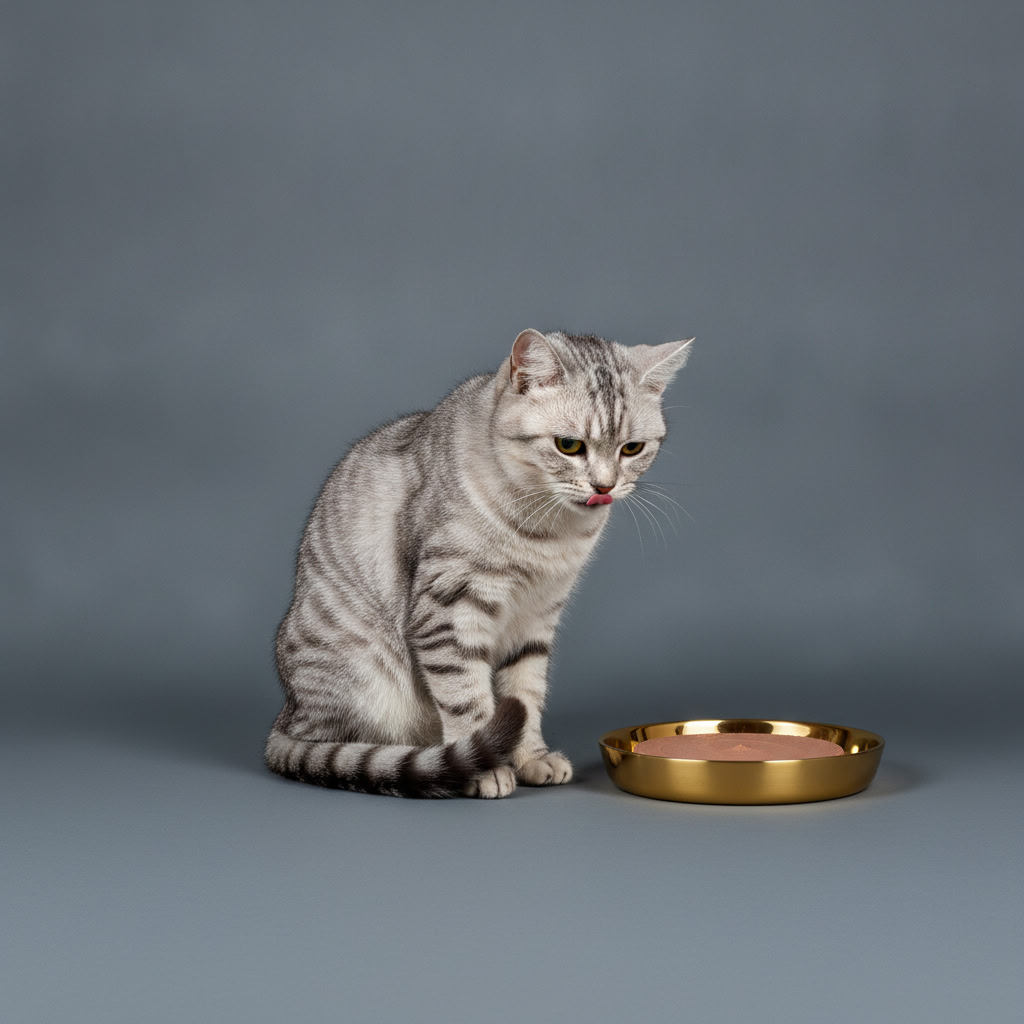
A cat with few or no teeth can eat perfectly well, and most eat better once painful teeth are gone. Cats don’t really chew the way we do: their back teeth are built to shear meat, not grind it, and many swallow kibble whole. So if your older cat has just had extractions, or the vet has said “most of these need to come out”, here’s what feeding looks like in the weeks after and for the rest of their life.
Why Do Senior Cats Lose So Many Teeth?
Older cats rarely lose teeth because they fall out on their own. They lose them because a vet removes teeth that are causing pain. The two usual reasons:
- Tooth resorption. The tooth’s own structure is gradually broken down by the body’s cells, often starting below the gumline where you can’t see it. The American Veterinary Dental College (AVDC) describes it as one of the most common dental problems in cats, and it becomes more common with age. Affected teeth are painful, can’t be repaired, and the standard treatment is extraction.
- Periodontal disease and stomatitis. Years of plaque and gum inflammation loosen teeth. In some cats the whole mouth becomes severely inflamed (feline chronic gingivostomatitis), and removing most or all of the teeth is the treatment with the best evidence behind it. In a study of 95 cats published in the Journal of the American Veterinary Medical Association (Jennings et al., 2015), about two-thirds of cats were cured or substantially improved after extractions.
The 2019 AAHA Dental Care Guidelines for Dogs and Cats and the WSAVA Global Dental Guidelines (2020) both stress the same point: cats hide mouth pain extremely well, so many owners only realise how sore their cat was after the teeth are out and the cat suddenly starts playing, grooming and eating with gusto again.
If you’re weighing up surgery for an older cat, our guide to anesthesia in senior cats covers what pre-anesthetic tests check and how vets reduce the risk.
What to Feed in the First Two Weeks After Extractions
This is the stage that needs the most care. The gums are healing over the sockets, and the stitches (usually dissolvable) need to stay put. Your vet’s discharge instructions win over anything here, but the typical approach is:
- Soft food only, usually for 10 to 14 days. A smooth pâté is easiest. Chunks in gravy are fine if the chunks are small and soft.
- Warm it slightly, to around body temperature. Warm food smells stronger, which helps a cat whose appetite is dulled by pain relief or the stress of the clinic.
- Mash or add warm water if your cat is struggling. A slurry is easier to lap than a firm pâté.
- No hard treats, dental chews or chew toys until the vet has checked the gums.
- Give the pain relief as prescribed, on schedule, even if your cat seems fine. Cats hide pain, and a sore cat stops eating.
Expect your cat to eat a little less for the first day or two. That’s normal. Not eating at all is not (see the vet section below).
The follow-up check, often around two weeks after surgery, is when your vet will tell you whether the sockets have healed and dry food can go back on the menu.
Can a Cat With No Teeth Eat Dry Food?
Often, yes. This surprises people, but many vet dentists report that toothless cats go back to eating kibble once their gums have healed. A cat’s gums toughen up, and since cats tend to swallow kibble pieces whole or crack them once, teeth aren’t essential to the process.
That said, it varies from cat to cat. Practical guidance:
- Try a small-kibble food first. Large or very hard pieces are harder to manage.
- Watch how they eat. If your cat drops food, tilts their head to one side, or walks away from the bowl hungry, switch back to wet food or soften the kibble with warm water for 5 to 10 minutes before serving.
- Wet food is never the wrong answer. If your cat prefers it, a mostly wet diet is perfectly fine and adds water to their day, which helps senior cats who don’t drink much. Our guide to senior cat dehydration explains why that matters.
The one thing that doesn’t change: your cat still needs a complete and balanced diet for their life stage. Toppers and broths are fine as extras, not as meals.
Tips for Feeding a Toothless Senior Cat Long-Term
A few small changes make a real difference once things have settled:
- Use a shallow, wide dish. Without teeth to grip food, cats often push it around the bowl. A flat plate or saucer lets them lick it up without chasing pâté into a corner.
- Raise the bowl a little for cats with arthritis or stiff necks. A few inches can make a meal more comfortable.
- Offer smaller, more frequent meals if your cat eats slowly or loses interest halfway through.
- Keep an eye on their weight. Weigh them monthly at home or at the vet. A toothless cat who loses weight may be finding their food hard to manage, or may have an unrelated problem worth checking. Our article on weight loss in senior cats covers what’s normal and what isn’t.
- Keep treats soft. Lickable treats, small pieces of plain cooked chicken or fish, or a spoonful of their usual wet food all work.
What Changes (and What Doesn’t) Once the Teeth Are Gone
Their tongue may poke out. The lower canine teeth help hold the tongue in. Without them, many cats show a small tip of tongue, especially when relaxed or asleep. It looks odd, it’s harmless, and it often becomes the most-photographed thing about them.
They can still groom, play and hunt toys. Cats use their tongue, not their teeth, for grooming. Play with wand toys carries on as normal.
Dental care doesn’t completely end. If some teeth remain, they still need attention: brushing if your cat will tolerate it, and regular dental checks. The AAHA guidelines recommend an oral exam at every wellness visit, and our guide to dental care for senior cats covers what that looks like at home.
They may be noticeably happier. It’s common for owners to describe a cat who seems years younger after extractions. That’s not magic. It’s what a cat looks like when chronic mouth pain stops.
When to See a Vet
Call your vet promptly if your cat, after extractions or at any time:
- Hasn’t eaten anything for 24 hours. In cats, and especially older or overweight cats, going without food can trigger hepatic lipidosis (fatty liver), which is serious. Our guide to a senior cat not eating explains why this can’t wait.
- Is drooling heavily, has blood-tinged saliva after the first day, or paws at their mouth
- Has swelling on the face or jaw, or a bad smell from the mouth that’s getting worse
- Seems more painful as the days go on rather than less
- Is dropping food, chewing on one side, or avoiding hard food when they used to eat it. These can be signs of dental pain in a cat who still has teeth.
Mouth problems are one of the easiest things for owners to miss, simply because cats keep eating through a surprising amount of pain. If you’ve noticed bad breath or a change in how your cat eats, a dental check is worth booking.
Does your cat have any teeth left, and did they go back to dry food afterwards?