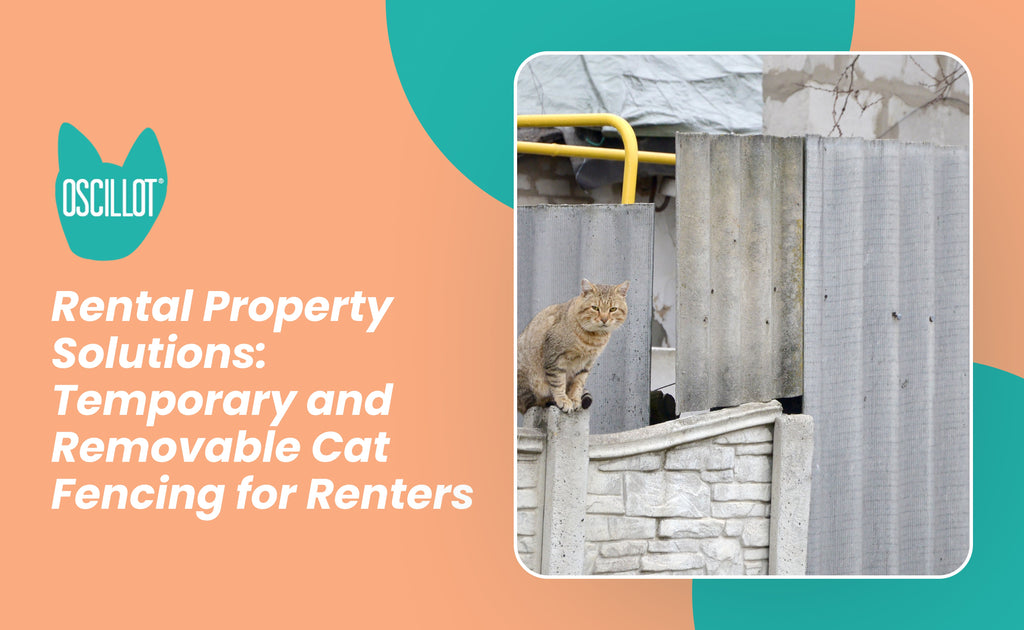
Renting doesn’t have to mean keeping your cat stuck inside. But most cat fencing solutions require drilling, permanent installation, or structural modifications that landlords prohibit — and that can cost you your security deposit. This guide from Oscillot shows renters how to achieve safe cat containment without making permanent changes to a property you don’t own.
The challenge is real: lease agreements typically prohibit drilling into fences, adding permanent fixtures, using strong adhesives, altering gates, or digging into lawns. But Oscillot’s design offers configurations that can avoid these restrictions in many rental situations, using non-invasive mounting methods that attach to existing fence structures without permanent damage.
The article covers the most common rental installation scenarios — wooden privacy fences, chain-link, masonry walls, and balcony railings — and explains which bracket configurations require minimal or no drilling, how to use clamp-based mounting for some fence types, and what to discuss with your landlord before installation (a written conversation protects you even if approval is needed).
It also addresses the portability advantage: when you move, Oscillot components disassemble and move with you. Unlike built-in catios or permanent fence extensions, your investment follows your cat to the next rental. The guide includes sample landlord communication language and tips for rental applications with cats.
Read the full article: Rental Property Solutions: Temporary and Removable Cat Fencing for Renters