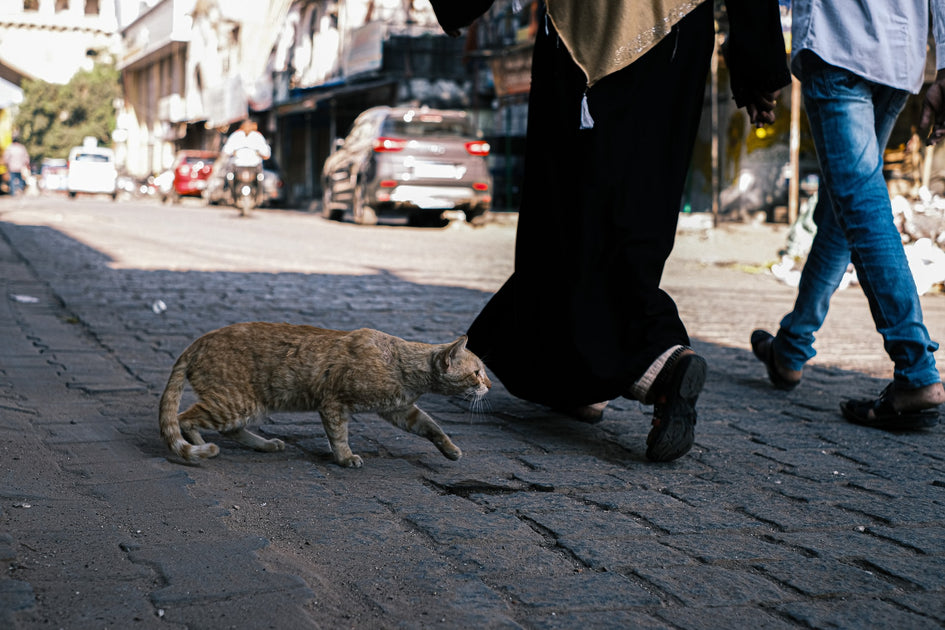
The indoor vs. outdoor cat debate is one of the most discussed topics in the cat owner community — and the honest answer is more nuanced than either “always keep them inside” or “let them roam free.” This thoughtful article from Oscillot explores both sides of the question, drawing on feline behavioral science and practical safety data.
The case for outdoor access is compelling: fresh air, natural sunlight, sensory stimulation from new smells and sights, opportunities to scratch, climb, and express natural hunting behaviors, and the social and territorial enrichment that comes from exploring a wider environment. Cats confined exclusively indoors — especially in small spaces — are more prone to obesity, behavioral problems, anxiety, and boredom-related destructiveness.
The case for indoor safety is equally valid: free-roaming outdoor cats face traffic (5.4 million struck by cars annually in the U.S.), predator attacks (coyotes, dogs, raptors), disease transmission through contact with other cats (FIV, FeLV), parasite exposure, and the risk of getting permanently lost.
The ideal solution, increasingly embraced by modern cat owners: supervised or contained outdoor access that delivers the behavioral benefits of outdoor life without the safety risks. A cat-proof fence system secures the yard perimeter with spinning paddles, allowing cats to access a genuine outdoor territory — with smells, sunlight, and natural surfaces — while remaining safely contained. It’s the best of both worlds, and it’s what Oscillot was designed to enable.
Read the full article: Indoor vs Outdoor - What is Best for Your Cat?