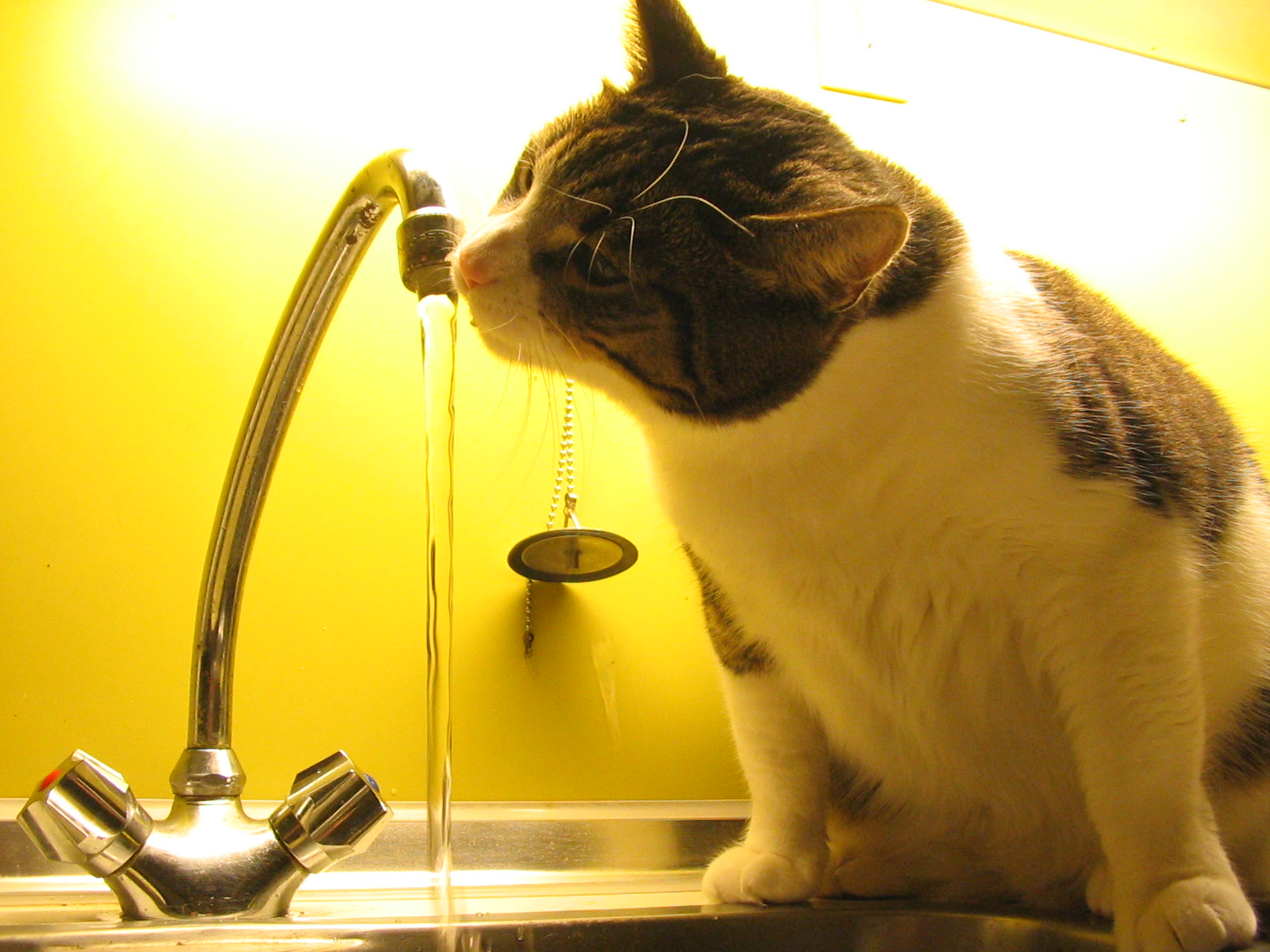
How Much Water Does a Cat Need?
A healthy adult cat typically needs between 60 and 80 millilitres of water per kilogram of body weight per day. For an average 4 kg cat, that amounts to roughly 240–320 ml (about one to one-and-a-quarter cups) of total fluid daily. This figure includes water from all sources: drinking water, wet food, and moisture in dry kibble.
Cats evolved from desert-dwelling ancestors, which means they have a naturally low thirst drive and can easily become chronically under-hydrated without obvious symptoms. Understanding your cat’s specific water needs is one of the most practical things you can do for their long-term health.
How Diet Affects Water Intake
The single biggest factor in how much a cat drinks is what they eat.
Dry kibble contains roughly 8–12% moisture. A cat eating exclusively dry food must compensate by drinking substantially more water — often two to three times more than a cat on wet food.
Wet or canned food is 70–80% moisture by weight. A cat eating wet food regularly may drink very little from their bowl because most of their hydration comes straight from their meals. This mirrors their natural diet of prey animals, which are also primarily water.
Raw and home-cooked diets vary widely but tend to be moisture-rich. If you’re feeding a mixed diet, observe how much your cat drinks after each meal type.
Practical tip: If your cat eats only dry food, consider adding a splash of warm water or low-sodium chicken broth to their bowl to boost hydration without changing their diet entirely.
Signs Your Cat Is Drinking Enough
Because cats rarely drink conspicuously, dehydration can go unnoticed. Watch for these indicators of good hydration:
- Skin turgor: Gently pinch the skin on the scruff of the neck. In a well-hydrated cat, it snaps back immediately. Slow return suggests dehydration.
- Gum moisture: Healthy gums are moist and pink. Tacky or dry gums indicate low hydration.
- Urination frequency: A healthy cat typically urinates two to four times per day. Infrequent urination or very concentrated (dark yellow) urine is a red flag.
- Energy and coat: Dehydrated cats often become lethargic and their coat loses its normal sheen.
Signs Your Cat May Be Drinking Too Much
Excessive thirst — drinking noticeably more than usual — is called polydipsia and is a clinical warning sign rather than a healthy habit. Causes include:
- Diabetes mellitus — excess blood glucose leads to increased urination and compensatory drinking
- Kidney disease (CKD) — one of the most common senior cat conditions; damaged kidneys lose the ability to concentrate urine
- Hyperthyroidism — elevated thyroid hormone speeds up metabolism and increases thirst
- Urinary tract infection — increased urgency and discomfort may mimic increased drinking
- Liver disease
If your cat’s water intake suddenly increases, or you notice them drinking from unusual sources like sinks and toilets, see your vet. A simple blood and urine panel can identify most causes quickly.
How to Encourage Your Cat to Drink More
Many cats are picky about water. These strategies reliably increase intake:
1. Use a cat water fountain
Cats are instinctively drawn to moving water, which in nature is safer and fresher than stagnant pools. A recirculating fountain often doubles intake compared to a static bowl.
2. Multiple water stations
Place bowls in several locations throughout the home, away from the food bowl. Cats prefer not to drink near where they eat (prey contaminating the water source is a hardwired aversion).
3. Bowl material matters
Some cats dislike plastic bowls, possibly due to retained odours or the sensation against their whiskers. Ceramic or stainless steel bowls are generally preferred.
4. Width over depth
Cats dislike their whiskers touching bowl edges. A wide, shallow bowl avoids this discomfort.
5. Fresh water daily
Change water at least once daily. Cats are highly sensitive to water that has been sitting and absorbing ambient odours.
6. Add moisture to food
Mixing warm water or unsalted broth into dry food is an easy way to increase total daily fluid without purchasing new equipment.
Kittens, Seniors, and Special Cases
- Kittens under 4 weeks rely entirely on milk for hydration. Weaned kittens transitioning to solid food should always have fresh water available.
- Senior cats (10+) are more prone to kidney and thyroid issues that affect hydration balance. Monitoring their water intake becomes especially important.
- Nursing queens need significantly more water — up to four times their normal intake — to support milk production.
- Cats on medication (particularly diuretics or steroids) may need increased fluid access; ask your vet.
Key Takeaways
| Factor | Guideline |
|---|---|
| Daily water need | ~60–80 ml per kg body weight |
| Wet food cats | Drink less from bowl (food provides moisture) |
| Dry food cats | Need significantly more bowl water |
| Sudden increase in thirst | Veterinary consultation recommended |
| Best water source | Moving water (fountain) away from food bowl |
Adequate hydration supports kidney function, digestion, temperature regulation, and joint health. Most cats that eat wet food and have access to a fountain or multiple fresh water stations maintain excellent hydration with minimal intervention.