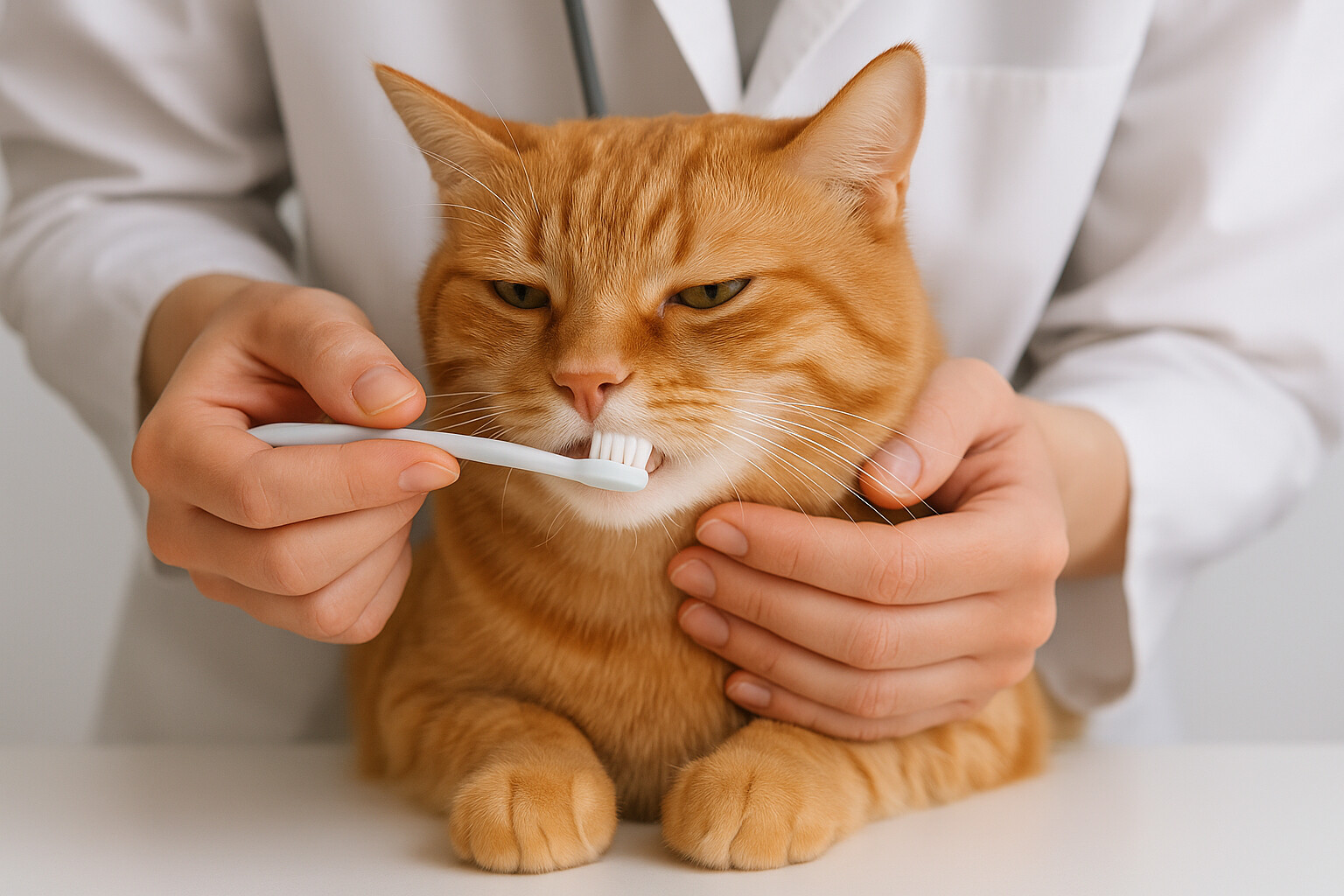
Dental disease is one of the most common — and most overlooked — health problems in cats. According to the American Veterinary Dental College (AVDC), the majority of cats over three years of age show some evidence of dental disease. Left untreated, it can lead to chronic pain, tooth loss, and even organ damage as bacteria from the mouth enter the bloodstream.
The good news: with a little patience and the right tools, you can dramatically reduce your cat’s risk. Here’s everything you need to know.
Why Feline Dental Health Matters
Cats can’t tell you when their teeth hurt. In fact, most cats with significant dental pain continue eating and behaving relatively normally — instinct drives them to mask discomfort. By the time you notice obvious symptoms, disease may already be advanced.
Periodontal disease — infection and inflammation of the structures supporting the teeth — is the most common feline dental condition. It begins with plaque: a thin film of bacteria that forms on teeth after every meal. Without removal, plaque hardens into tartar (calculus) within 24–48 hours. Tartar causes gum inflammation (gingivitis), which progresses to periodontitis, tooth root abscesses, and eventual tooth loss.
Other common conditions include tooth resorption (where the tooth structure breaks down from the inside), stomatitis (severe, painful inflammation of the entire mouth), and oral cancer. Regular dental care helps catch these early, when they’re far easier and less expensive to treat.
Signs of Dental Problems in Cats
Watch for these warning signs and consult your veterinarian if you notice any:
- Bad breath (beyond normal “cat breath”)
- Drooling, especially if it’s new behavior
- Pawing at the mouth or face
- Dropping food while eating or chewing on one side
- Reluctance to eat hard kibble
- Red, swollen, or bleeding gums
- Visible tartar (yellow-brown buildup near the gum line)
- Weight loss or decreased appetite
The Gold Standard: Daily Brushing
Daily tooth brushing is the single most effective way to prevent plaque buildup and periodontal disease in cats. The American Animal Hospital Association (AAHA) and the AVDC both recommend it as the cornerstone of home dental care.
Getting Started: What You’ll Need
- Cat-specific toothpaste — NEVER use human toothpaste. Fluoride and xylitol (a common sweetener in human dental products) are toxic to cats. Enzymatic cat toothpastes from brands like Virbac C.E.T., Vetoquinol, or Sentry Petrodex are widely available at PetSmart, Petco, and most veterinary offices.
- A soft-bristled toothbrush designed for cats, or a finger brush that fits over your fingertip for easier control with resistant cats.
Step-by-Step Introduction
Don’t try to brush your cat’s teeth on day one. Patience is everything.
Week 1: Let your cat sniff and lick the toothpaste from your finger. Make it a positive experience with praise and treats afterward.
Week 2: Begin touching your cat’s lips and teeth with your finger. Gently lift the lip and touch the gum line. Keep sessions under 30 seconds.
Week 3: Introduce the brush. Apply a small amount of toothpaste and let your cat lick it. Then briefly touch the brush to the teeth.
Week 4+: Begin brushing. Focus on the outer surfaces of the upper back teeth first — these accumulate the most tartar. Use small circular motions or back-and-forth strokes along the gum line. Work up to 30–60 seconds per session.
Most cats will never love having their teeth brushed, but many will tolerate it well when introduced gradually and associated with positive reinforcement.
Dental Treats, Toys, and Water Additives
If brushing isn’t possible, several supplemental options can help — though none are as effective as brushing.
Dental treats: Look for products carrying the Veterinary Oral Health Council (VOHC) Seal of Acceptance, which indicates the product has been clinically proven to reduce plaque or tartar. Options include Greenies Feline Dental Treats and Royal Canin Dental Kibble.
Dental toys: Textured chew toys can provide mild mechanical plaque removal, though cats are less likely to chew consistently than dogs.
Water additives: Products like Vetradent or Healthymouth can be added to your cat’s drinking water and contain enzymes that help reduce bacterial growth. Use only VOHC-accepted products.
Professional Dental Cleanings
Even with diligent home care, most cats benefit from a professional dental cleaning (prophylaxis) every one to three years, depending on their individual susceptibility to tartar buildup.
Professional cleanings are performed under general anesthesia, which allows the veterinarian to clean below the gum line, take dental X-rays, and address any disease that home care can’t reach. Pre-anesthetic bloodwork is typically recommended, especially for cats over seven years old.
Many pet owners are anxious about anesthesia — understandably so. Talk to your vet about the specific protocols they use for safety monitoring. Modern veterinary anesthesia, when properly managed, is very safe for cats.
The Takeaway
Dental disease is largely preventable, and the earlier you start, the easier it is. A few minutes a day of brushing, combined with regular veterinary checkups, can save your cat significant pain and you significant expense down the road. Your cat’s breath — and their long-term health — will thank you.