Dog Body Language: A Complete Visual Guide to What Your Dog Is Telling You
Your dog is talking to you constantly. Not with words, obviously — but through an incredibly rich vocabulary of body positions, ear angles, tail movements, and facial expressions. The problem is most of us only catch the obvious signals (tail wag = happy, growl = danger) and miss about 90% of the conversation.
Understanding dog body language is one of the most valuable skills you can develop as a dog owner. It helps you anticipate behavior before it escalates, prevents misread situations that lead to bites, and deepens the bond between you and your dog. Here’s the complete breakdown.
The Relaxed Dog: Your Baseline
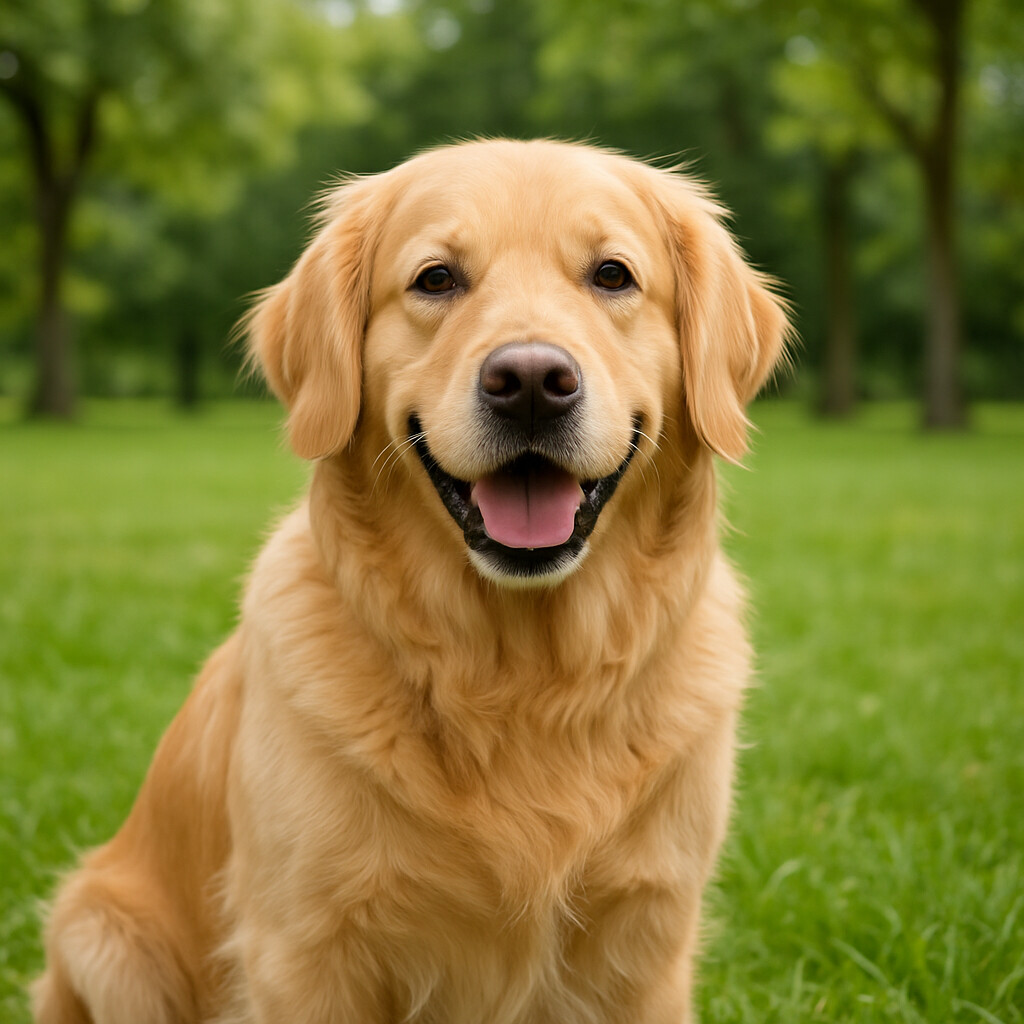
Before you can read stress or excitement signals, you need to know what “neutral” looks like for your dog. A relaxed dog has:
- Soft, slightly open mouth — may be panting lightly, jaw loose
- Ears in natural resting position — not pinned back or forward-pointing
- Tail in neutral position — the natural hang point varies by breed (a husky’s neutral tail sits higher than a greyhound’s)
- Weight balanced evenly across all four legs
- Soft, blinking eyes — not hard-staring, no whale eye (visible whites)
This is your reference point. Any deviation from this baseline tells you something.
The Tail: More Than Just Wagging
Everyone knows a wagging tail means a happy dog, right? Not quite. The speed, height, and direction of the wag all matter.
High, stiff wag: The tail held above the spine and wagging in tight, rapid movements often signals high arousal — not necessarily friendly. This is frequently seen before a reactive dog episode or aggressive encounter.
Low, fast wag: A tail tucked low but wagging can actually mean anxiety or appeasement. The dog is nervous and trying to signal non-threat.
Broad, sweeping wag at mid-height: This is your happy wag. Full-body involvement (the “helicopter tail” or full-body wiggle) means genuine excitement and positive emotional state.
Tail tucked: Fear or submission. The tighter the tuck — all the way under the belly — the more stressed the dog is.
Raised tail, held still: Alert. The dog has noticed something and is assessing. Not aggressive yet, but attention-focused.
Research has even found that dogs wag more to the right side when encountering something positive (their owner) and more to the left when encountering something negative (an unfamiliar, dominant dog). The asymmetry is subtle but real.
Ears: A Direction Indicator
Ears are one of the most expressive tools in a dog’s body language toolkit — though they’re harder to read on floppy-eared breeds.
Forward-pointing ears: Attention and interest. Could be playful curiosity or focused alertness depending on context.
Ears back, flat against head: Fear, stress, or submission. Combined with a lowered body posture, this is a clear appeasement signal.
Ears slightly back but relaxed: Contentment. Many dogs do this when being petted.
One ear up, one down: Uncertainty. The dog is processing mixed signals from the environment.
Eyes and Face: The Emotional Windows
Soft eyes, slow blink: Relaxed and comfortable. Some trainers use slow blinking as a calming signal toward anxious dogs (borrowed from cat communication).
Hard stare, unblinking: This is a threat signal. Direct, hard eye contact is confrontational in dog language. A dog giving another dog (or person) a hard, fixed stare is issuing a warning.
Whale eye: When you can see the whites of your dog’s eyes — the eye appears to show a crescent of white — this is a stress signal. Often seen when a dog is guarding a resource or feeling cornered.
Yawning (when not tired): A calming signal. Dogs yawn to de-escalate tension — in themselves and in others. If your dog yawns during a stressful situation, it’s a form of self-regulation.
Lip licking (when not near food): Another stress signal or calming signal. Watch for this in the vet’s office or when meeting unfamiliar dogs.
Body Posture: The Big Picture
Play bow: Front end down, rear end up, often paired with a bouncy bark or “come play” energy. This is an invitation to play and one of the clearest, most universally understood dog signals.
Standing tall, weight forward: Assertive, potentially challenging. The dog is projecting confidence or issuing a subtle confrontation.
Weight shifted back, crouching: Fear or uncertainty. The dog is trying to make itself smaller and preparing to flee if needed.
Piloerection (hackles raised): The hair along the spine standing up signals high arousal. Importantly, this can happen during both fear AND excitement — context determines which. Raised hackles alone don’t mean aggression.
Rolling over to show belly: Can mean two very different things. In a genuinely happy dog being petted by a trusted person, it’s pure relaxation. In a tense situation, belly-up is actually an extreme appeasement gesture — the dog is saying “I’m completely non-threatening.” Don’t assume it always means “pet my belly.”
Growling: Don’t Punish It
This one is critical. Growling is communication, not disobedience. A dog that growls is warning you — it’s saying “I’m uncomfortable and I’m about to escalate if this continues.” Punishing a growl trains the dog to skip the warning and go straight to biting.
If your dog growls, pay attention. Remove whatever is causing the discomfort. Work with a certified animal behaviorist (look for one certified by the International Association of Animal Behavior Consultants or holding a credential from the ASPCA’s behavioral resources) if growling is happening regularly.
Multi-Signal Reading: Context Is Everything
No single signal tells the whole story. A wagging tail plus flattened ears plus whale eye is a stressed dog, not a happy one. You need to read the whole picture simultaneously.
The ASPCA’s Animal Behavior Center emphasizes a concept called “ladder of aggression” — the idea that dogs communicate escalating discomfort through a series of increasingly obvious signals before biting. Most bites follow a sequence that humans missed entirely. Learning body language is how you catch the early rungs.
When to Get Help
If your dog regularly shows signs of fear, anxiety, or reactivity — even without any outward aggression — consider working with a certified dog trainer or behaviorist. The American Veterinary Society of Animal Behavior (AVSAB) has a position statement that punishment-based training methods increase fear and anxiety; look for trainers who use positive reinforcement approaches.
Catching stress signals early and addressing the root cause is always easier than waiting until behavior problems are entrenched.
The Payoff
Fluent dog body language reading makes you a better handler, a safer owner around other dogs, and a more connected companion to your own dog. When you notice the early signs of stress and respond appropriately — giving space, redirecting, removing triggers — your dog learns that you understand them. That trust is worth everything.
— CatLady6