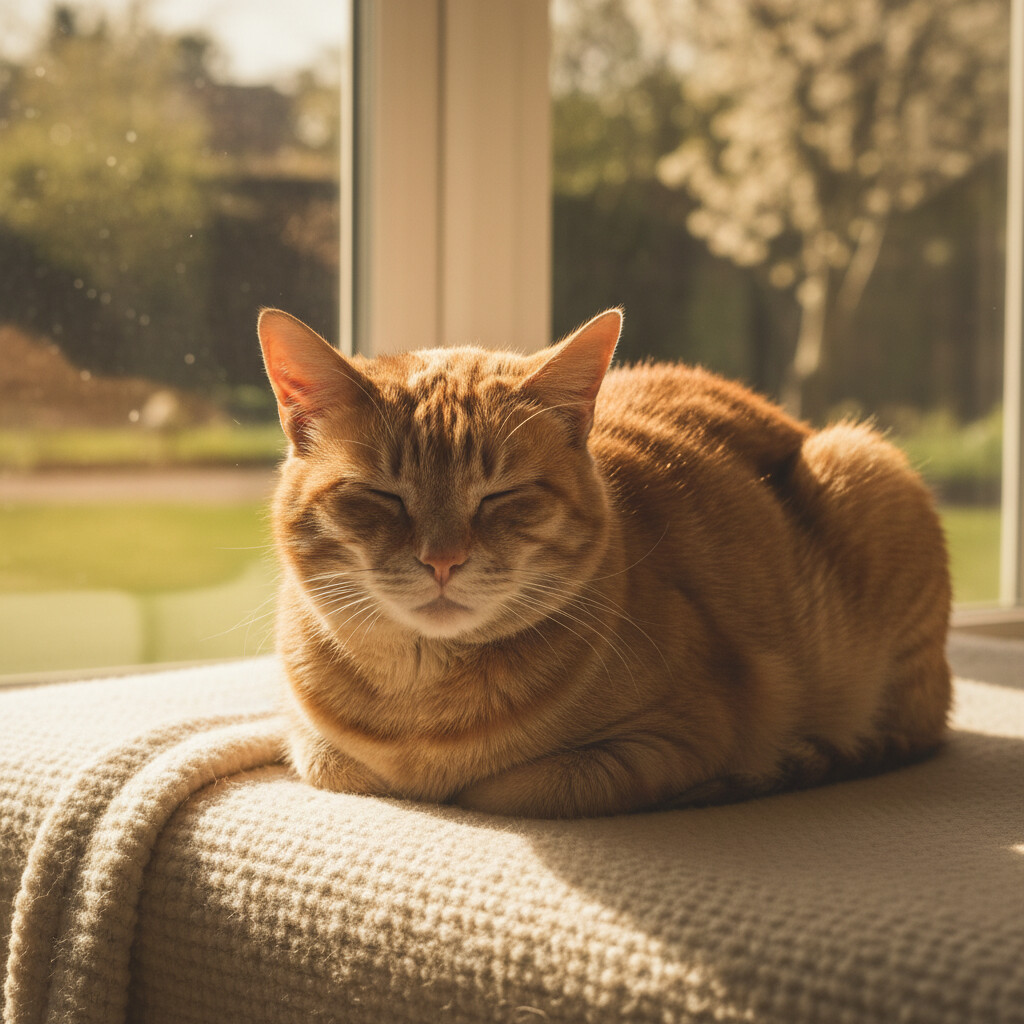
Most cats hit 10 and seem fine. Then one day they stop jumping on the counter, drink more water than usual, and you realise something has shifted. Here’s what actually changes when a cat goes senior — and what to do about it before problems become emergencies.
When Is a Cat “Senior”?
The American Association of Feline Practitioners (AAFP) classifies cats as senior from 11 years old, but significant physiological changes often start around 10. Think of 10 as the threshold where “same as always” stops being a safe assumption.
For reference: a 10-year-old cat is roughly equivalent to a 57-year-old human. At 15, they’re closer to 76. The math matters because the health monitoring that makes sense at 76 is different from what makes sense at 35.
What Changes Physically
Muscle mass. Senior cats often lose lean muscle even when eating normally — a condition called sarcopenia. Their digestive efficiency also decreases, meaning they may need more calories to maintain the same weight, even while becoming less active. If your senior cat looks the same weight but feels lighter when you pick them up, that’s muscle loss, not fat loss.
Kidney function. Chronic kidney disease (CKD) is the leading cause of death in cats over 10. The kidneys lose function gradually — often for years before any symptoms appear. By the time a cat shows clinical signs (increased thirst, weight loss, poor coat), meaningful damage has already occurred. This is the primary reason blood panels matter now. We covered the early warning signs and management in our article on kidney disease in cats.
Thyroid. Hyperthyroidism — an overactive thyroid — is extremely common in older cats and easy to miss because weight loss can be gradual. Left untreated, it causes heart problems. Left treated, most cats do very well. We covered this in depth in our hyperthyroidism guide.
Joints. Arthritis is massively underdiagnosed in cats because they don’t limp and whine the way dogs do. Instead, an arthritic cat will stop jumping to surfaces they used to own, groom less (especially hard-to-reach spots), and become grumpier when handled. If your senior cat has stopped jumping onto the bed they previously slept on every night, that’s arthritis until proven otherwise.
Cognition. Feline cognitive dysfunction syndrome (CDS) — the cat equivalent of dementia — affects around 28% of cats aged 11–14, rising to over 50% in cats 15 and older (according to research published in the Journal of Veterinary Behavior). Signs include yowling at night for no apparent reason, getting “stuck” staring at walls, forgetting where the litter box is, and reduced recognition of familiar people. This is often dismissed as “just getting old.” It’s a diagnosable condition with management options.
The Vet Schedule Has to Change
For adult cats, annual wellness exams are the standard. For cats aged 10 and over, the AAFP recommends twice-yearly visits — and this is not veterinary upselling. CKD, hyperthyroidism, diabetes, and dental disease can all progress meaningfully within six months.
At senior wellness visits, your vet should run blood chemistry panels and urinalysis. These catch the big three — kidney disease, thyroid dysfunction, and diabetes — well before symptoms appear. If your vet isn’t proactively suggesting bloodwork at senior exams, ask for it.
Nutrition: What Actually Changes
The “senior formula” category of cat food is loosely regulated and often doesn’t mean much nutritionally. What matters is:
Protein level. Senior cats need more high-quality protein, not less. The old idea that older cats need low-protein diets to protect kidneys has been largely revised — low-protein is indicated only once CKD is confirmed and your vet specifically recommends it. For a healthy senior cat, maintain protein levels.
Calories. Adjust for actual body condition, not age. A senior losing muscle may need more calories. A cat with severe arthritis who barely moves may need fewer. Weigh your cat monthly and adjust.
Hydration. Aging cats are more prone to dehydration. Wet food becomes more important now than it was before. If your senior is on dry only, add wet food — many older cats drink more from moving water, so a fountain can help too.
Prescription diets. Once CKD, diabetes, or hyperthyroidism is diagnosed, your vet will likely recommend specific prescription formulas. The evidence base for these diets is strong. Follow the recommendation.
Small Environmental Changes, Big Difference
These adjustments cost little but matter a lot to an arthritic or cognitively declining cat:
- Lower litter box entry. Buy or modify a box with low walls. An arthritic cat may stop using a box that requires stepping over a high edge — and “stopped using the litter box” is often the first symptom owners notice.
- Steps or ramps to their favorite sleeping spots. Don’t make your cat launch themselves onto the bed they’ve slept on for a decade.
- Heated or orthopedic bedding. Warmth genuinely helps arthritic joints. A heated cat bed is not a luxury for a senior cat.
- Multiple litter boxes on the same floor. Cats with CKD urinate more and may not make it to a box on a different level. One per floor, minimum.
- Night lights. Cats with cognitive dysfunction become more disoriented in the dark. A plug-in nightlight in key areas can reduce the nighttime yowling that drives owners (and cats) crazy.
When to See a Vet — Don’t Wait on These
Book a same-week appointment for:
- Weight loss of more than 10% over a few months
- Sudden change in water intake — notably more or notably less
- Vomiting more than once a week
- Refusing food for more than 24–48 hours
- New lumps, bumps, or skin changes
- Yowling at night that’s new and persistent
- Labored breathing or open-mouth breathing at rest
- Sudden behavior changes: hiding, new aggression, disorientation
The Bottom Line
Senior cats with early-detected conditions routinely live comfortably well into their late teens. The cats that do poorly in old age are usually the ones whose owners assumed “they’re just getting old” for too long. Twice-yearly vet visits, routine bloodwork, and small environmental tweaks make a disproportionate difference to quality of life.
10 is a milestone, not a sentence. Treat it as a prompt to pay closer attention — not to start worrying, but to start preparing.