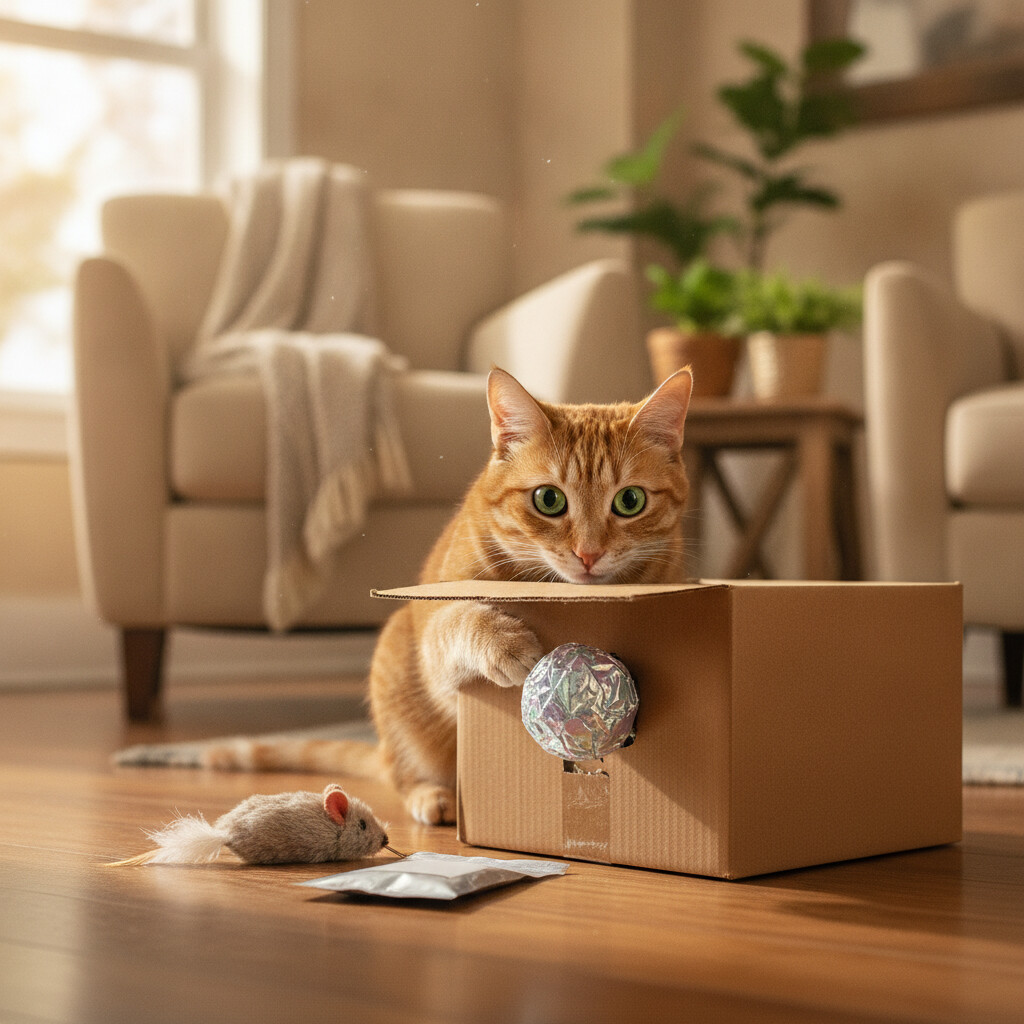
Cat subscription boxes are worth it if you want the novelty of monthly surprises and don’t mind paying a premium for convenience — they’re rarely the cheapest way to buy toys or treats. The honest answer depends on what you’re actually buying them for: entertainment for you and your cat, or the best possible value per dollar. Here’s how to tell which one you’re getting.
How Cat Subscription Boxes Actually Work
Most services follow the same model: you pay a recurring fee (typically $20–$35/month, sometimes more for larger or premium tiers), and once a month a box arrives with a mix of toys, treats, and occasionally grooming or enrichment items. Some services let you fill out a “cat profile” — age, size, play style, allergies — and claim to personalize contents accordingly, though the degree of actual customization varies a lot between brands.
The appeal is straightforward: you don’t have to think about it, your cat gets variety, and there’s a small dopamine hit in unboxing something new every month — for you as much as the cat, if we’re being honest.
What You’re Actually Paying For
Break down a typical $25–$30 box and you’ll usually find 4–6 items: two or three toys, a bag or two of treats, and maybe a small enrichment item like a puzzle feeder or a piece of catnip-infused fabric. Priced individually at retail, that same bundle often runs $12–$20 if you bought the equivalent items directly from a pet store or online retailer.
The gap isn’t a scam — it covers curation, packaging, shipping, and the convenience of not having to research and choose products yourself. But it does mean subscription boxes are, dollar for dollar, usually a worse deal than buying toys and treats individually based on what your specific cat actually likes.
That distinction matters because cats are notoriously particular. A box built around general trends (feather wands, crinkle balls, catnip mice) will hit for some cats and land as an ignored pile of plastic for others. If your cat has strong, known preferences — say, they only care about food puzzles and ignore wand toys entirely — a subscription box is a less efficient way to shop than picking items yourself.
Where They Genuinely Add Value
Subscription boxes aren’t just a markup on retail toys — there are real reasons they work well for specific situations:
- New cat owners who don’t yet know what their cat likes benefit from the built-in variety; it’s a low-effort way to sample different toy types before committing to buying more of what works.
- Enrichment-focused households with indoor-only cats who need regular novelty to stay mentally stimulated — a fresh toy every month is a simple way to prevent the “toy box graveyard” effect where cats lose interest in anything that’s been around for more than a week.
- Gift-givers — a subscription is an easy, low-effort gift for a cat-owning friend or family member.
- People who genuinely won’t otherwise buy toys — if the alternative is a cat with zero enrichment because nobody gets around to shopping for it, a box that shows up automatically has real value regardless of the per-item cost.
Where They Fall Short
- Cats with known, narrow preferences — you’ll pay for items that go straight into a drawer.
- Budget-conscious owners — buying toys and treats directly, especially during sales, is reliably cheaper.
- Cats with allergies or sensitivities — even “personalized” boxes can include treats with ingredients that don’t work for your cat, and swapping items after the fact is often not possible.
- Multi-cat households — one box typically isn’t enough for two or three cats, and the cost multiplies fast if you subscribe per cat.
How to Decide If It’s Worth It for You
Ask three questions before subscribing:
- Do I know what my cat likes? If yes, you can likely buy those specific items cheaper individually. If no, a box’s variety has real value while you figure it out.
- Will unused items bother me? If a missed toy or ignored treat packet feels like wasted money, the variable hit-rate of subscription boxes will grate over time.
- Am I paying for the product or the experience? If the monthly “event” of a box arriving is part of what you want — for yourself as much as your cat — that’s a legitimate reason to subscribe, and it’s fine to value convenience and novelty as their own thing.
A reasonable middle ground: try a single month or a short trial period before committing to a long subscription, and cancel if the hit rate on your cat’s interest is consistently low. Most services make it easy to pause or cancel monthly.
The Takeaway
Cat subscription boxes cost more per item than buying individually, but they trade that premium for convenience, variety, and the fun of a monthly surprise. They’re a good fit for new owners still learning their cat’s preferences, or for people who want enrichment on autopilot. They’re a weaker fit if you already know exactly what your cat plays with, or if you’re optimizing purely for cost per toy. Try a month before committing long-term, and don’t feel obligated to keep a subscription your cat clearly isn’t using — rotating toys you already own is often just as effective for keeping things interesting, and free.
If you’re building out a broader enrichment routine, it’s also worth looking at DIY puzzle feeders, which tend to hold a cat’s interest longer than most subscription-box toys and cost a fraction of the price.