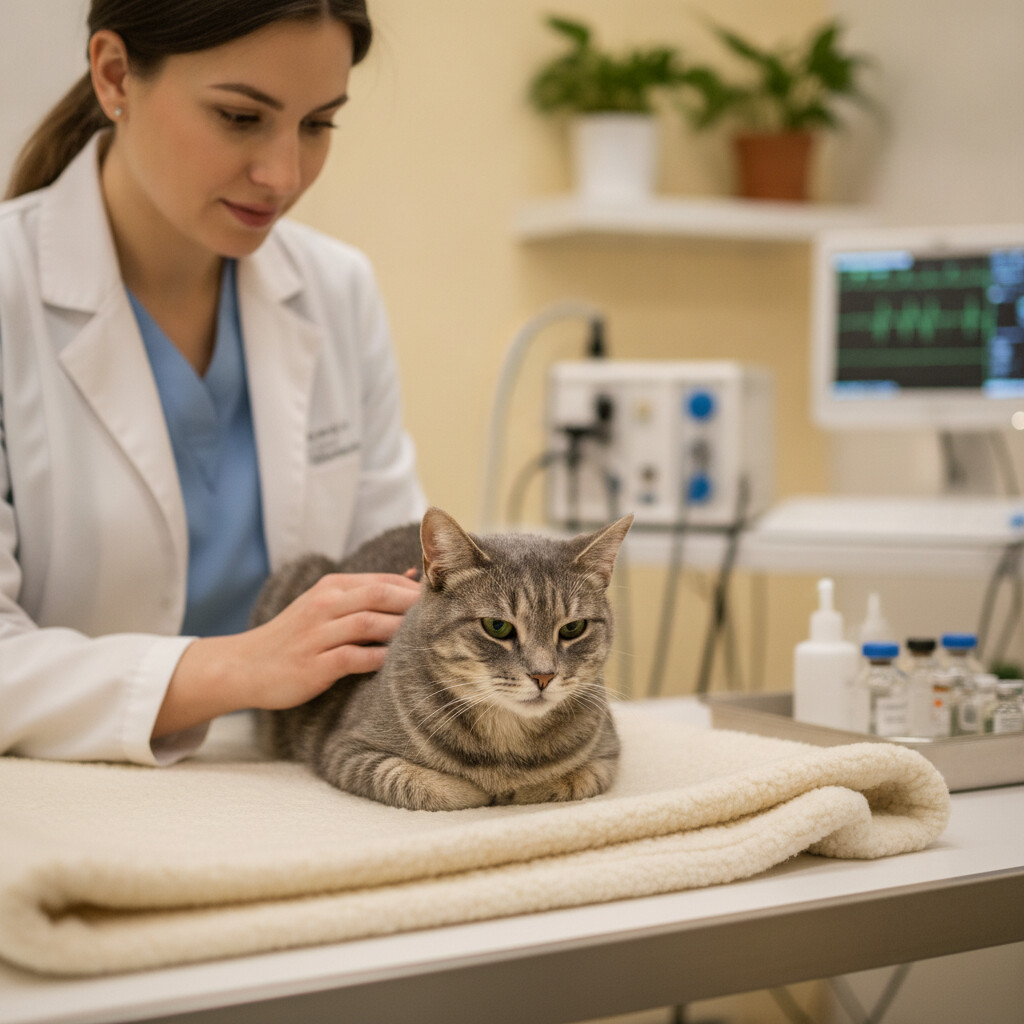
Anesthesia in senior cats carries more risk than it does in a young, healthy cat — but “more risk” doesn’t mean “too risky to consider.” Age alone is not a reason to deny a cat surgery or a needed dental cleaning. What matters is your cat’s actual health status going in, and whether your vet has screened for the specific things that make anesthesia riskier in older animals.
Why Age Changes the Risk Calculation
Anesthetic drugs are processed by the liver and kidneys and affect the heart and respiratory system. In a senior cat, those organs are more likely to be working with reduced reserve — even in a cat that looks and acts perfectly healthy day to day. Chronic kidney disease, hyperthyroidism, and early heart disease are all common in cats over 10 and can be present with few or no obvious symptoms.
This is the actual driver of anesthetic risk in older cats: not age itself, but a higher probability of undiagnosed or subclinical conditions that change how the body handles anesthesia. A 14-year-old cat with normal bloodwork and a healthy heart is a much better anesthetic candidate than a 7-year-old cat with untreated hyperthyroidism.
Pre-Anesthetic Screening: What It Actually Catches
Most veterinary practices recommend pre-anesthetic bloodwork for any cat, and it becomes more important — not optional — for senior cats. A standard senior pre-anesthetic workup typically includes:
- Complete blood count (CBC) — checks for anemia, infection, and clotting-related issues
- Chemistry panel — flags kidney and liver function, blood sugar, and electrolyte imbalances
- Thyroid level (T4) — hyperthyroidism is common in older cats and directly affects heart rate and metabolism
- Urinalysis — kidney function often shows up here before it shows up in blood values
- Chest X-rays or an EKG, if your vet hears anything unusual on a heart or lung exam
None of this eliminates risk. What it does is let your vet choose an anesthetic protocol suited to your specific cat — different drugs, different doses, more intensive monitoring — instead of using a one-size-fits-all approach. The American Animal Hospital Association (AAHA) and American Association of Feline Practitioners (AAFP) both recommend this kind of individualized, risk-based approach for senior patients rather than a blanket age cutoff.
What Changes During the Procedure Itself
For a senior cat, a good anesthesia plan usually includes closer monitoring than a routine procedure on a young cat would get: continuous blood pressure monitoring, IV fluids to support blood pressure and kidney perfusion, active warming (older cats lose body heat faster under anesthesia), and a longer, more closely watched recovery period before the cat goes home.
If your vet’s clinic doesn’t routinely offer this level of monitoring for senior patients, it’s a fair question to ask before the procedure, not after.
Balancing the Risk Against the Reason for Surgery
This is the part that gets lost in general “is anesthesia safe” anxiety: the risk of anesthesia has to be weighed against the risk of not doing the procedure. Severe dental disease left untreated causes chronic pain and can seed infection elsewhere in the body. A mass that needs biopsying doesn’t get safer to ignore because a cat is old. In many cases, the anesthetic risk in a well-screened senior cat is lower than the ongoing harm of leaving a painful or progressive condition untreated.
Elective procedures with no clear benefit are a different conversation, and it’s reasonable to ask your vet directly: does this specific cat, at this specific age, actually need this done now?
When to See a Vet
Before any planned anesthesia, ask specifically what pre-anesthetic screening your vet recommends for your cat’s age and health history, and don’t skip it to save money on a routine dental — it’s exactly the situation it’s designed to catch problems in advance of. After a procedure, contact your vet promptly if your cat won’t eat or drink within 24 hours, seems disoriented beyond the first few hours, has labored breathing, or the surgical site looks red, swollen, or is discharging.
The Bottom Line
A senior cat isn’t automatically a bad anesthesia candidate — an unscreened one is. The single biggest thing you can do to lower the real risk is making sure your vet runs a full pre-anesthetic workup and tailors the protocol to what it finds, rather than treating every cat the same way regardless of age. Ask about it directly; a good vet will welcome the question.
If your cat is already showing other signs of aging, our guide to what changes after age 11 covers the broader picture, and our piece on dental care for senior cats goes deeper on the single most common reason senior cats end up under anesthesia in the first place.