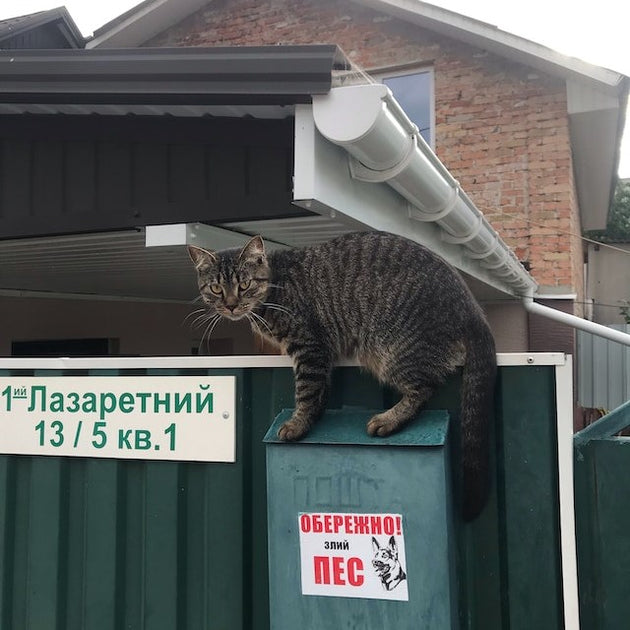
Got more questions about cat-proof fencing? This follow-up FAQ from Oscillot answers the next round of common questions from cat owners across the U.S., covering everything from effectiveness to specific fence types to alternative containment approaches.
Do cat-proof fences work? Yes — but effectiveness depends on the system. The most effective systems combine adequate fence height (6 feet minimum) with an anti-climbing mechanism that removes the grip surface cats depend on. How do you cat-proof a fence you already have? The most practical approaches: add a fence topper system with spinning paddles (Oscillot), install netting angled inward at the fence top, or add a smooth overhang extension. What kind of fence can a cat not climb? No static fence surface is truly cat-proof — they can climb smooth wood, vinyl, chain-link, and metal given motivation. The solution is a rotating surface at the fence top that defeats grip rather than trying to find an unclimbable static material.
Can cats jump over invisible fences? Yes. Invisible/electric fences rely on learning and shock deterrence — cats that are highly motivated to exit often learn to run through the shock quickly, and the trauma of repeated shocks is a significant welfare concern. Passive mechanical systems like Oscillot require no learning and cause no harm.
Other questions addressed include minimum fence heights for different cat breeds, how to handle fence corners and gate sections, what to do about trees near fence lines, and how to test whether your current fence is already cat-proof.
Read the full article: All Your Questions About Cat-Proof Fencing - Answered! (Part 2)