What separates a truly effective cat-proof fence from one that looks good but fails? According to Oscillot, it comes down to 12 key features — and understanding each one helps you make a smart investment decision.
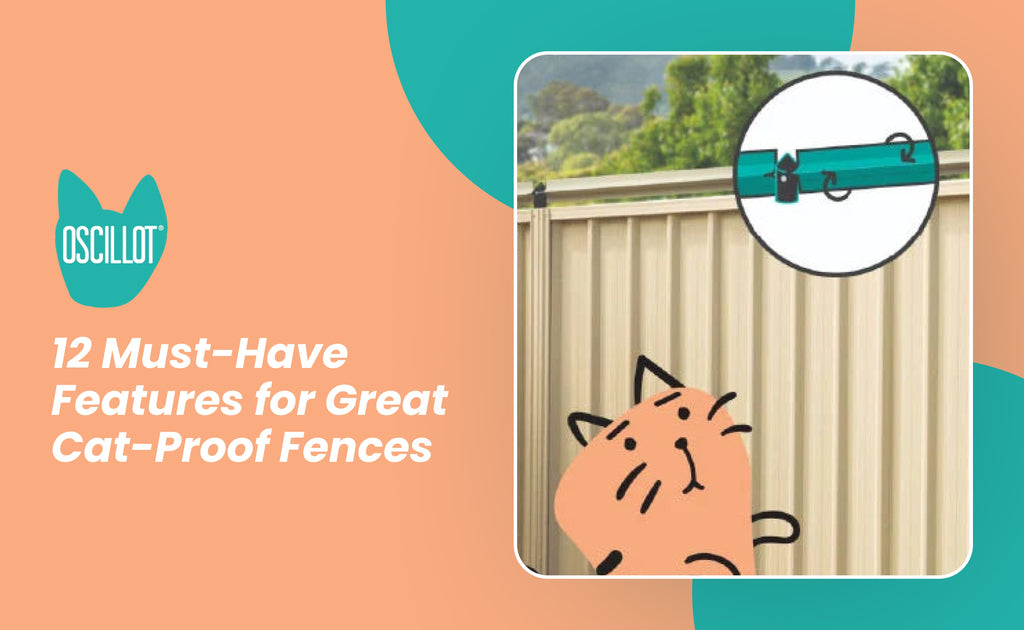
The foundational requirement is fence height: the system needs to work on a fence that’s at least 6 feet tall. This is based on behavioral research into how cats approach and attempt to scale vertical boundaries. Critically, height alone isn’t enough — without an anti-climbing mechanism, even a 10-foot fence can be scaled by a determined cat using their retractable claw grip. Feature #2 is the spinning paddle system itself: Oscillot’s unique four-blade rotating paddles spin when touched, denying the friction grip cats need to pull themselves over.
Other must-have features covered in the article include: compatibility with existing fence types (wood, vinyl, chain-link, masonry), proper kit sizing for your specific perimeter, DIY installation capability with clear step-by-step guidance, durable UV-stabilized weather-resistant materials, humane non-electric operation (animal welfare group approved), proper post kits for corners and direction changes, gate integration solutions, tree guard compatibility for wooded properties, easy spare parts availability, and reliable warranty protection.
The article uses the Oscillot system throughout as the benchmark against which these features are measured — explaining both what each feature does and why systems lacking it tend to fail. For anyone shopping for cat containment, this 12-point checklist is the definitive evaluation framework.
Read the full article: 12 Must-Have Features for Great Cat-Proof Fences