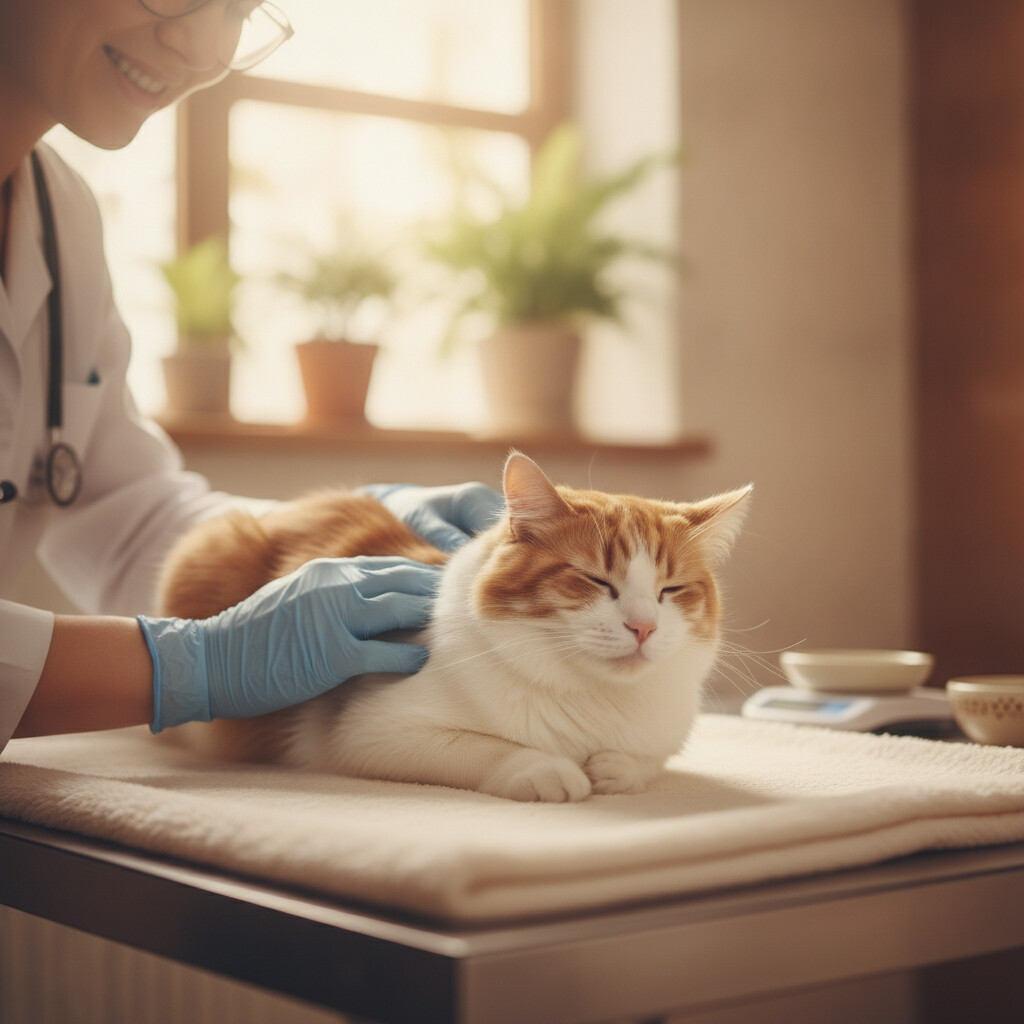
Feline Infectious Peritonitis (FIP) used to be a near-automatic death sentence. That’s no longer true. FIP is caused by a mutated strain of feline coronavirus, and while it’s still serious and requires prompt veterinary care, the treatment landscape has changed dramatically in the last few years. Here’s what it actually is, how it shows up, and what treatment looks like now.
What Causes FIP, and Which Cats Are at Risk
Feline coronavirus (FCoV) is common — most cats who’ve spent time around other cats, especially in shelters, catteries, or multi-cat households, have been exposed to it at some point. In the vast majority of cats, FCoV causes nothing worse than mild, self-limiting diarrhea, if it causes symptoms at all.
In a small percentage of infected cats, the virus mutates inside the body into a form that can invade white blood cells and spread through the body. That mutated form is what causes FIP. It isn’t a separate virus you catch from another cat — it develops from a common one that most cats already carry.
FIP is most common in cats under two years old, and risk is significantly higher in cats from high-density environments: shelters, rescues, and catteries with multiple cats. Stress, concurrent illness, and a genetically weaker immune response also appear to play a role in which infected cats go on to develop FIP, according to research summarized by the European Advisory Board on Cat Diseases (ABCD).
Symptoms: What Wet and Dry FIP Look Like
FIP shows up in two broad forms, and cats can show a mix of both:
Effusive (“wet”) FIP — fluid builds up in the abdomen or chest. Signs include a visibly swollen belly, labored breathing (if fluid is in the chest), lethargy, and a fever that doesn’t respond to antibiotics.
Non-effusive (“dry”) FIP — instead of fluid buildup, the virus causes small nodules of inflammation (granulomas) in organs like the kidneys, liver, intestines, or eyes, and sometimes in the brain and spinal cord. Signs here are more variable: weight loss, poor appetite, cloudy or inflamed-looking eyes (uveitis), wobbliness, seizures, or behavior changes.
Across both forms, the common thread is a persistent, unresponsive fever combined with weight loss and lethargy — especially in a young cat. That combination is the biggest red flag.
Diagnosis Is Genuinely Difficult
There’s no single blood test that confirms FIP with certainty, which is part of why it’s historically been so frustrating to diagnose. Vets typically build a diagnosis from several pieces of evidence together: bloodwork patterns (a low albumin-to-globulin ratio and elevated globulins are suggestive), analysis of any abdominal or chest fluid if present (the Rivalta test is a quick, useful screening step), PCR testing, and sometimes imaging or biopsy. A single positive coronavirus antibody test does not mean a cat has FIP — remember, most cats have been exposed to FCoV and never develop it.
If your vet is running several rounds of tests rather than giving you an instant answer, that’s normal for this disease, not a sign something is being missed.
Treatment: The Real Breakthrough
Until 2019, FIP was considered essentially untreatable and almost always fatal. That changed with research led by Dr. Niels Pedersen at UC Davis, published in the Journal of Feline Medicine and Surgery, on an antiviral compound called GS-441524. Clinical studies since then have shown remission rates well above 80% in cats treated with a full course of the antiviral, even in cats with advanced disease at the start of treatment.
Treatment is not simple or short — it typically involves daily dosing for a minimum of 84 days, close monitoring of bloodwork throughout, and a defined observation period after treatment ends to watch for relapse. Access and legal status of GS-441524-based products have shifted over the past few years as veterinary-prescribed options have become more available in the US, so this is very much a conversation to have directly with your vet rather than something to source independently — dosing needs to be tailored to the cat and the form of FIP involved.
The bottom line: an FIP diagnosis is no longer the end of the road it used to be, but it does require a vet who is current on treatment protocols and a real commitment to the full course of treatment.
When to See a Vet
See a vet promptly if your cat — especially a cat under two, or one recently adopted from a shelter or multi-cat environment — has:
- A fever that isn’t responding to a first round of antibiotics
- Noticeable, unexplained weight loss or a swollen abdomen
- Cloudy eyes, or eyes that suddenly look inflamed
- New wobbliness, disorientation, or seizure activity
- Lethargy that’s lasted more than a couple of days without another obvious cause
None of these symptoms are unique to FIP — they overlap with plenty of other, more common conditions, including some covered in our guide to feline leukemia and FIV. That’s exactly why a vet visit and proper testing matter: ruling things in and out is most of the battle with FIP. If your cat isn’t caught up on core vaccinations, that’s also worth checking — while there’s no vaccine specifically protecting against FIP itself, keeping your cat’s overall health and immune status solid matters when the body is fighting off any viral mutation risk.
The short version: FIP is still serious, but “serious” isn’t “hopeless” anymore. Catching it early and getting to a vet who knows the current treatment landscape gives a cat with FIP a real shot at recovery.